
 EN
EN
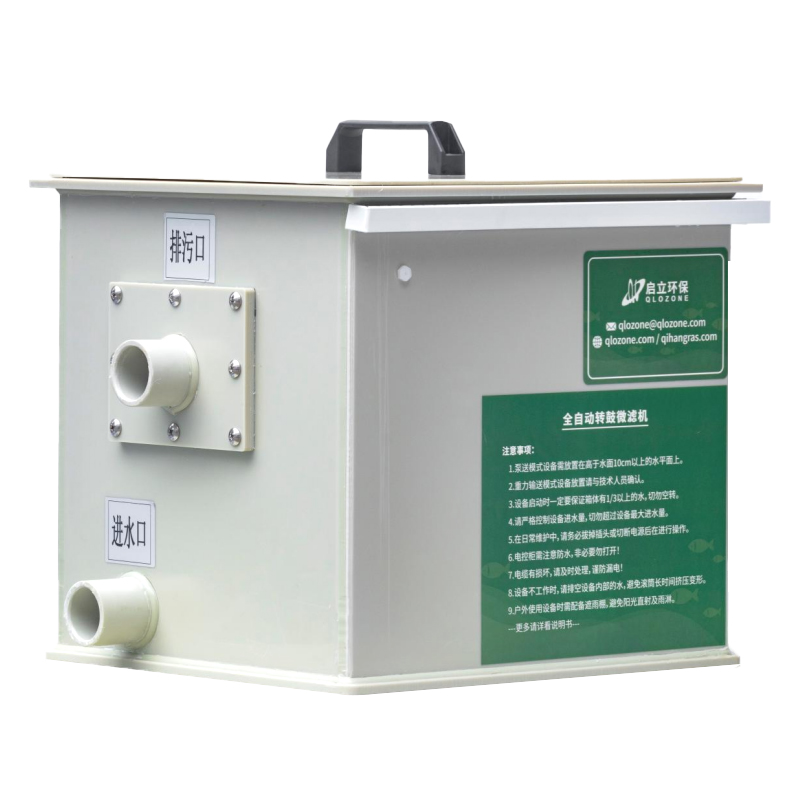
Modern industrial facilities face unprecedented challenges in maintaining efficient filtration processes while scaling up production volumes. Engineers across various sectors are increasingly turning to advanced filtration technologies that can handle massive throughput requirements without compromising quality or operational efficiency. Among these solutions, automated rotary drum filters have emerged as the preferred choice for large-scale production environments, offering superior performance characteristics that traditional filtration methods simply cannot match. These sophisticated systems combine mechanical reliability with intelligent automation to deliver consistent results in demanding industrial applications.
Superior Operational Efficiency in High-Volume Applications
Continuous Processing Capabilities
The fundamental advantage of automated rotary drum filters lies in their ability to maintain continuous operation without interruption. Unlike batch filtration systems that require frequent stops for cleaning and maintenance, these advanced units operate seamlessly around the clock. The rotating drum mechanism ensures constant filtration surface renewal, preventing cake buildup that typically plagues static filtration systems. This continuous operation translates to significantly higher throughput rates, making them ideal for facilities processing thousands of gallons per hour.
Engineers particularly value the predictable performance characteristics of these systems. The continuous rotation creates a self-cleaning effect that maintains optimal filtration efficiency throughout extended operation periods. This reliability factor becomes crucial in large-scale production where any filtration bottleneck can cascade into significant production delays and associated costs.
Reduced Maintenance Requirements
Maintenance scheduling becomes considerably more manageable with automated rotary drum filters compared to conventional alternatives. The automated cleaning cycles built into these systems significantly reduce the frequency of manual interventions. Engineers can schedule maintenance activities during planned downtime rather than responding to unexpected filtration failures that often occur with less sophisticated systems.
The modular design of modern rotary drum filters allows for component replacement without complete system shutdown. This feature proves invaluable in continuous production environments where every minute of downtime represents lost revenue. The predictive maintenance capabilities integrated into advanced models enable engineers to anticipate component wear and schedule replacements proactively.
Advanced Automation and Control Systems
Intelligent Process Monitoring
Contemporary automated rotary drum filters incorporate sophisticated monitoring systems that provide real-time data on filtration performance, pressure differentials, and cake thickness. These intelligent control systems enable operators to optimize filtration parameters dynamically, ensuring maximum efficiency under varying process conditions. The integration of sensors throughout the system provides comprehensive feedback that traditional filtration methods cannot match.
Engineers appreciate the ability to establish automated responses to changing process conditions. When the system detects variations in feed characteristics or filtration requirements, it can automatically adjust rotation speed, vacuum pressure, and cleaning cycles to maintain optimal performance. This level of automation reduces the need for constant operator attention while ensuring consistent product quality.
Data Integration and Analytics
Modern industrial facilities increasingly rely on data-driven decision making, and automated rotary drum filters excel in this area. These systems generate comprehensive operational data that can be integrated into broader facility management systems. Engineers can analyze filtration performance trends, identify optimization opportunities, and predict maintenance needs based on historical performance data.
The connectivity features of contemporary systems enable remote monitoring and control capabilities. Plant engineers can oversee multiple filtration units from centralized control rooms, improving operational efficiency and reducing staffing requirements. This remote capability proves especially valuable for facilities operating multiple shifts or unmanned during certain periods.
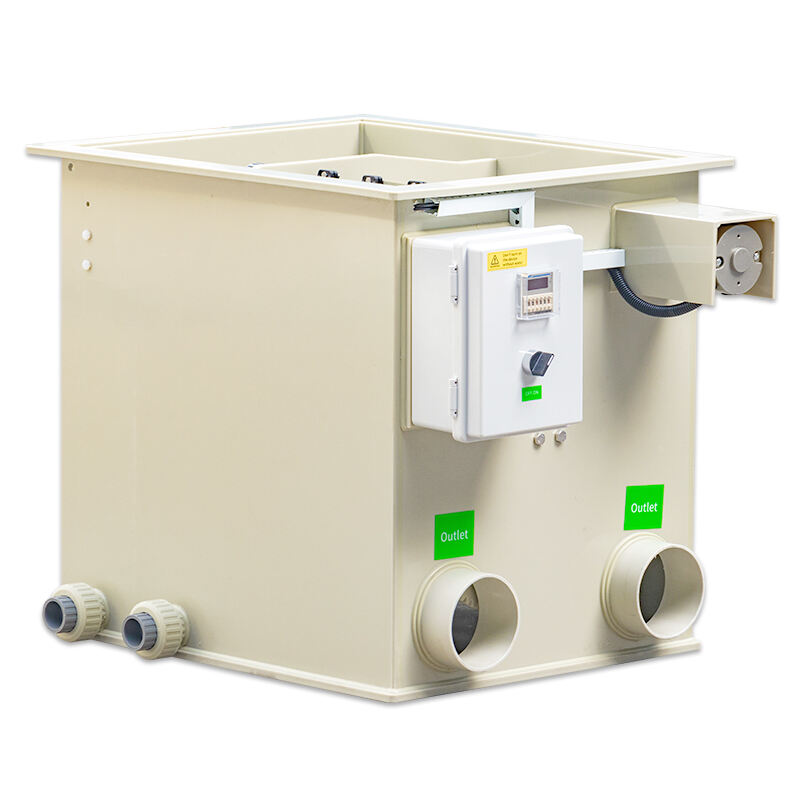
Economic Advantages for Large-Scale Operations
Operational Cost Reduction
The economic benefits of implementing automated rotary drum filters become particularly pronounced in large-scale production environments. The reduced labor requirements for system operation and maintenance translate to significant cost savings over time. While the initial capital investment may be higher than simpler filtration alternatives, the operational cost advantages typically result in favorable return on investment calculations within reasonable payback periods.
Energy efficiency represents another crucial economic factor. The optimized design of rotary drum systems minimizes power consumption while maximizing filtration capacity. Engineers often find that these systems consume less energy per unit of processed material compared to alternative filtration technologies, particularly when processing high-volume streams.
Scalability and Flexibility
Large-scale production facilities often face varying capacity requirements based on market demand and seasonal fluctuations. Automated rotary drum filters offer exceptional scalability options, allowing engineers to adjust processing capacity without major system modifications. Multiple units can be operated in parallel to handle peak demand periods, while individual units can be taken offline during reduced capacity requirements.
The modular nature of these systems provides flexibility in system configuration and expansion. Engineers can design filtration systems that grow with facility capacity requirements, making incremental investments in additional capacity rather than wholesale system replacements. This scalability factor proves crucial for facilities planning long-term growth strategies.
Quality and Consistency Benefits
Product Quality Assurance
Maintaining consistent product quality becomes increasingly challenging as production volumes scale upward. Automated rotary drum filters address this challenge through precise control over filtration parameters and consistent cake formation characteristics. The uniform filtration conditions achieved through automated control result in more predictable product specifications compared to manual or semi-automated alternatives.
Engineers value the ability to maintain tight control over moisture content, particle size distribution, and other critical product characteristics. The automated systems can detect and compensate for variations in feed material properties, ensuring consistent output quality despite input variability. This consistency proves essential for meeting stringent product specifications in regulated industries.
Process Reliability and Repeatability
The repeatability of automated rotary drum filter operations contributes significantly to overall process reliability. Once optimal operating parameters are established, the automated control systems maintain these conditions consistently across production runs. This repeatability reduces product variability and minimizes the risk of off-specification production that can result in costly reprocessing or waste disposal.
Engineers particularly appreciate the documented process control capabilities that these systems provide. The detailed operational records generated by automated systems support quality assurance programs and regulatory compliance requirements. This documentation proves invaluable during audits and quality investigations.
Technical Specifications and Performance Characteristics
Filtration Efficiency Parameters
The technical performance of automated rotary drum filters surpasses traditional alternatives in several key metrics. These systems typically achieve higher filtration rates while maintaining superior separation efficiency. The combination of mechanical separation and automated optimization results in cleaner filtrates and drier cakes compared to conventional filtration methods.
Engineers can specify systems based on precise performance requirements, including filtration rate, cake moisture content, and separation efficiency targets. The predictable performance characteristics of these systems enable accurate process modeling and optimization, supporting overall facility design and capacity planning efforts.
Material Compatibility and Versatility
Modern automated rotary drum filters accommodate a wide range of materials and operating conditions. Engineers can select from various construction materials and surface treatments to ensure compatibility with specific process chemicals and operating environments. This versatility makes these systems suitable for diverse applications across multiple industries.
The ability to handle varying particle sizes, concentrations, and material properties without significant performance degradation adds to their appeal for large-scale operations. Engineers value this flexibility when designing systems that must accommodate product mix changes or process modifications over time.
FAQ
What makes automated rotary drum filters more suitable for large-scale production than other filtration technologies
Automated rotary drum filters excel in large-scale applications due to their continuous operation capability, high throughput capacity, and minimal operator intervention requirements. Unlike batch systems that require frequent stops for cleaning and maintenance, these units operate continuously with automated cleaning cycles. The scalable design allows multiple units to work in parallel, handling massive production volumes while maintaining consistent quality standards. Their intelligent control systems automatically adjust operating parameters to optimize performance, making them ideal for facilities processing thousands of gallons per hour.
How do the automation features of rotary drum filters reduce operational costs
The automation features significantly reduce operational costs through multiple mechanisms. Automated control systems minimize the need for constant operator supervision, reducing labor costs substantially. The predictive maintenance capabilities prevent unexpected breakdowns and extend component life, lowering maintenance expenses. Energy consumption is optimized through intelligent control of rotation speed, vacuum pressure, and cleaning cycles based on real-time process conditions. Additionally, the consistent product quality achieved through automation reduces waste and reprocessing costs, contributing to overall economic efficiency.
Can automated rotary drum filters adapt to different materials and process conditions
Yes, modern automated rotary drum filters are highly adaptable to various materials and process conditions. The intelligent control systems can automatically adjust filtration parameters such as drum rotation speed, vacuum pressure, and cleaning frequency based on feed material characteristics. Engineers can program different operating profiles for different products, allowing the same system to handle multiple materials efficiently. The modular design permits configuration changes and upgrades to accommodate new materials or modified process requirements without major system overhauls.
What are the key performance indicators engineers should monitor for optimal system operation
Engineers should monitor several critical performance indicators to ensure optimal operation. Filtration rate and throughput capacity indicate system efficiency and help identify potential bottlenecks. Cake moisture content and thickness measurements ensure product quality consistency. Pressure differentials across the filter medium indicate when cleaning cycles should occur or when medium replacement is needed. Energy consumption per unit of processed material helps optimize operational costs. Additionally, monitoring vibration levels, bearing temperatures, and motor performance provides early warning of maintenance needs, enabling proactive intervention before system failures occur.
Table of Contents
- Superior Operational Efficiency in High-Volume Applications
- Advanced Automation and Control Systems
- Economic Advantages for Large-Scale Operations
- Quality and Consistency Benefits
- Technical Specifications and Performance Characteristics
-
FAQ
- What makes automated rotary drum filters more suitable for large-scale production than other filtration technologies
- How do the automation features of rotary drum filters reduce operational costs
- Can automated rotary drum filters adapt to different materials and process conditions
- What are the key performance indicators engineers should monitor for optimal system operation