
 EN
EN
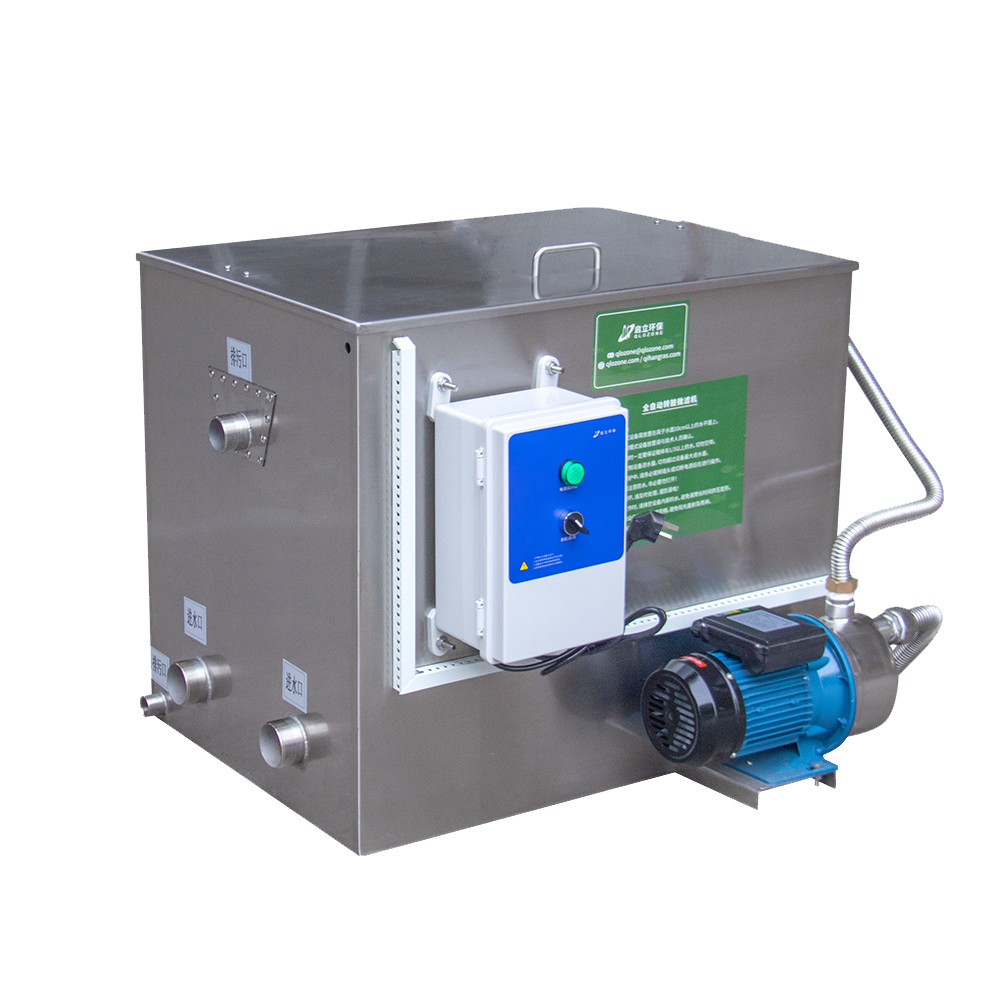
Industrial filtration systems play a crucial role in modern manufacturing processes, with rotary drum filter technology standing at the forefront of efficient separation solutions. These sophisticated systems combine precise mechanical engineering with advanced filtration principles to deliver superior performance across various applications. Understanding how operational parameters influence filtration outcomes is essential for optimizing production efficiency and maintaining consistent product quality in industrial environments.
The relationship between drum speed and filtration performance represents a fundamental aspect that engineers must carefully consider when designing and operating these systems. Proper speed optimization directly impacts throughput rates, particle separation efficiency, and overall system reliability. Similarly, the selection and configuration of filter media determines the quality of separation achievable and influences both operational costs and maintenance requirements throughout the equipment lifecycle.
Fundamental Principles of Rotary Drum Filtration
Basic Operating Mechanics
A rotary drum filter operates through continuous rotation of a cylindrical drum partially submerged in the process slurry or suspension requiring separation. The drum surface features a porous structure covered with appropriate filter media that allows liquid passage while retaining solid particles. As the drum rotates, different sections undergo distinct phases including submersion, dewatering, washing, and discharge cycles.
The filtration process begins when the rotating drum enters the slurry bath, where vacuum or pressure differential draws liquid through the filter media while building up a solid cake on the external surface. This continuous operation enables high-capacity processing with minimal operator intervention, making rotary drum filter systems particularly valuable for large-scale industrial applications requiring consistent separation performance.
Internal vacuum systems create the necessary pressure differential to drive filtration, with carefully controlled suction levels ensuring optimal cake formation without compromising filter media integrity. The rotating motion provides natural agitation that prevents settling and maintains uniform exposure of fresh slurry to the filtration surface throughout the operational cycle.
Critical Performance Factors
Multiple interdependent variables influence the overall effectiveness of rotary drum filtration systems, with drum speed and filter media characteristics representing the most significant controllable parameters. These factors work synergistically to determine throughput capacity, separation efficiency, cake moisture content, and operational stability under varying process conditions.
Temperature variations affect slurry viscosity and filtration rates, requiring operators to adjust drum speed accordingly to maintain optimal performance. Chemical composition of the process stream influences filter media selection and may necessitate specialized coatings or treatments to prevent premature degradation or fouling that could compromise separation quality.
Particle size distribution within the feed material significantly impacts filtration behavior, with finer particles generally requiring slower drum speeds and more sophisticated filter media configurations to achieve acceptable separation results. Understanding these relationships enables process engineers to optimize system performance for specific applications and operating conditions.
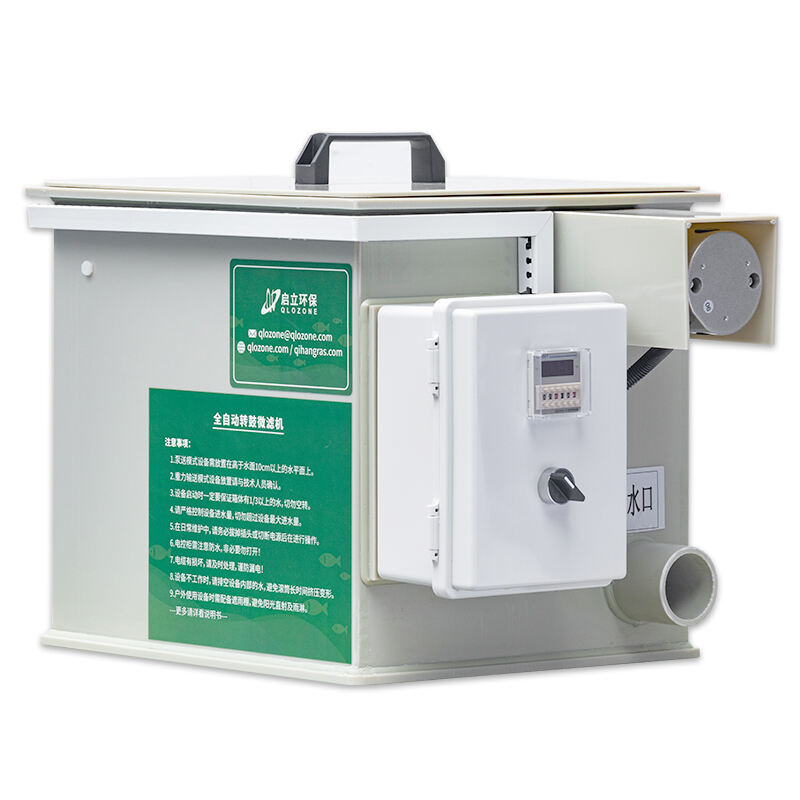
Drum Speed Impact on Filtration Performance
Throughput and Capacity Optimization
Drum rotation speed directly controls the exposure time that slurry has contact with the filter surface, fundamentally affecting both processing capacity and separation quality. Higher speeds increase throughput by reducing cycle times, allowing more frequent cake formation and discharge cycles within a given time period. However, excessive speed can compromise filtration quality by insufficient dewatering time and inadequate cake consolidation.
Optimal speed selection requires balancing production requirements against quality specifications, considering factors such as particle characteristics, slurry concentration, and desired final moisture content. Engineering calculations typically incorporate filtration constants derived from laboratory testing to predict performance at various operational speeds and establish appropriate operating windows for consistent results.
Modern rotary drum filter systems often feature variable speed drives that allow real-time adjustment based on process conditions and product specifications. This flexibility enables operators to optimize performance dynamically, responding to variations in feed characteristics or production demands while maintaining quality standards.
Cake Formation and Dewatering Efficiency
The formation of uniform, well-consolidated filter cakes depends heavily on appropriate drum speed selection that provides adequate time for particle settling and liquid drainage. Slower speeds generally produce thicker, more consolidated cakes with lower moisture content, while faster speeds may result in thinner cakes that retain higher liquid levels but offer increased processing capacity.
Dewatering efficiency improves with longer exposure times achieved through reduced drum speeds, allowing gravity and vacuum forces to remove additional moisture from the accumulated solids. This relationship becomes particularly important when processing fine particles or high-moisture slurries that require extended drainage periods to achieve acceptable dryness levels.
Advanced systems incorporate monitoring technologies that track cake thickness and moisture content in real-time, enabling automatic speed adjustments to maintain consistent product quality. These control systems help optimize the balance between throughput and dewatering performance while reducing operator workload and improving process reliability.
Filter Media Selection and Configuration
Material Properties and Performance Characteristics
Filter media selection represents one of the most critical decisions affecting rotary drum filter performance, with material properties directly influencing separation efficiency, operational longevity, and maintenance requirements. Common media types include woven fabrics, non-woven materials, metallic screens, and ceramic elements, each offering distinct advantages for specific applications and operating conditions.
Porosity characteristics determine the size of particles that can pass through the media, with finer pores providing better separation but potentially reducing flow rates and increasing pressure drop across the filter. Chemical compatibility ensures media stability when exposed to aggressive process streams, preventing degradation that could compromise separation performance or contaminate the filtered product.
Mechanical strength requirements vary based on operating pressures, temperature conditions, and cleaning procedures employed during routine maintenance. High-strength materials withstand frequent cleaning cycles and mechanical stress from cake discharge operations, extending service life and reducing replacement costs over the equipment lifecycle.
Pore Size and Distribution Effects
The pore structure of filter media fundamentally determines which particles are retained and which pass through during the filtration process, making pore size selection critical for achieving desired separation specifications. Uniform pore distributions provide consistent separation performance, while irregular pore structures may allow breakthrough of oversized particles or cause uneven flow patterns across the filter surface.
Gradient pore structures, featuring progressively smaller openings through the media thickness, can improve separation efficiency while maintaining reasonable flow rates. These designs capture larger particles at the surface while allowing finer materials to penetrate deeper into the media structure before final retention, optimizing both capacity and quality.
Surface treatments and coatings can modify effective pore sizes and enhance separation performance for challenging applications. These modifications may include hydrophobic treatments for improved dewatering, anti-fouling coatings to prevent particle adhesion, or specialized surface textures that promote uniform cake formation across the drum surface.
Optimization Strategies for Enhanced Performance
Speed Control and Process Integration
Implementing sophisticated speed control strategies enables operators to maximize rotary drum filter performance while adapting to changing process conditions and production requirements. Variable frequency drives provide precise speed adjustment capabilities, allowing fine-tuning of operational parameters to optimize the balance between throughput and quality for specific applications.
Integration with upstream and downstream processes requires coordinated control systems that adjust drum speed based on feed flow rates, slurry characteristics, and product specifications. Automated systems can respond rapidly to process variations, maintaining consistent performance without manual intervention while reducing the risk of operational disruptions or quality deviations.
Advanced process control algorithms incorporate predictive modeling to anticipate optimal speed settings based on real-time measurements of key process variables. These systems learn from operational data to improve performance over time, identifying patterns and relationships that human operators might overlook during routine operations.
Media Maintenance and Replacement Protocols
Establishing comprehensive maintenance protocols for filter media ensures consistent separation performance while minimizing unplanned downtime and replacement costs. Regular inspection schedules identify early signs of wear, fouling, or damage that could compromise filtration quality or lead to sudden failure during critical production periods.
Cleaning procedures must balance thorough removal of accumulated contaminants with preservation of media integrity and performance characteristics. Chemical cleaning agents, mechanical cleaning methods, and ultrasonic treatments each offer advantages for specific fouling types, requiring careful selection based on the nature of accumulated materials and media compatibility.
Predictive maintenance approaches utilize performance monitoring data to forecast media replacement needs, enabling proactive scheduling that minimizes production interruptions. These strategies consider factors such as throughput degradation, pressure drop increases, and quality deterioration to optimize replacement timing and reduce overall operating costs.
Industrial Applications and Case Studies
Mining and Mineral Processing
The mining industry extensively utilizes rotary drum filter systems for dewatering mineral concentrates, tailings treatment, and process water recovery applications. These operations typically require robust equipment capable of handling high solids concentrations and abrasive materials while maintaining consistent separation performance under challenging conditions.
Iron ore processing represents a significant application where drum speed optimization directly impacts concentrate quality and recovery rates. Slower speeds allow better dewatering of fine iron particles, reducing moisture content in the final product while improving handling characteristics and transportation efficiency. Proper media selection ensures adequate retention of valuable minerals while allowing efficient drainage of process water.
Coal preparation facilities employ rotary drum filter technology for fine coal dewatering, where achieving low moisture content is critical for product quality and combustion efficiency. The combination of optimized drum speed and specialized filter media enables effective separation of coal particles from process water while minimizing product losses and environmental impact.
Chemical and Pharmaceutical Industries
Chemical processing applications demand precise control over separation parameters to meet strict product purity requirements and regulatory standards. Rotary drum filter systems provide the reliability and consistency needed for pharmaceutical manufacturing, where even minor variations in filtration performance can affect product quality and compliance with regulatory specifications.
Crystallization processes benefit from carefully controlled drum speeds that allow proper crystal formation and dewatering without damaging delicate particle structures. The gentle handling characteristics of drum filtration make it particularly suitable for processing temperature-sensitive materials or products requiring minimal mechanical stress during separation.
Solvent recovery applications utilize specialized filter media designed to handle organic chemicals while preventing contamination or degradation of recovered solvents. These systems often operate under inert atmospheres or controlled temperature conditions, requiring precise coordination between drum speed and environmental controls to maintain optimal performance.
FAQ
How does filter media porosity affect overall system performance
Filter media porosity directly influences both separation efficiency and processing capacity, with finer pores providing better particle retention but potentially reducing flow rates. The optimal porosity balances these competing factors based on the specific separation requirements and acceptable throughput levels. Too fine a media may cause excessive pressure drop and reduced capacity, while overly coarse media allows particle breakthrough that compromises product quality. Modern systems often employ graded porosity designs that optimize both retention and permeability for enhanced overall performance.
What maintenance practices extend filter media life
Regular cleaning schedules prevent accumulation of fouling materials that can permanently damage filter media or reduce performance. Chemical cleaning with appropriate solvents removes organic deposits, while physical cleaning methods address mineral scale and inorganic buildup. Proper cleaning agent selection based on fouling type and media compatibility is crucial for effective maintenance without causing damage. Additionally, maintaining proper operating conditions including appropriate drum speed, vacuum levels, and temperature helps minimize media stress and extend service life.
How can operators troubleshoot common filtration problems
Common filtration issues often relate to improper drum speed settings, media fouling, or changes in feed characteristics. Reduced throughput may indicate the need for media cleaning or speed adjustment, while poor separation quality might require slower operation or media replacement. Monitoring cake formation patterns helps identify uneven flow distribution or media damage. Systematic troubleshooting involves checking operating parameters against established benchmarks, inspecting media condition, and analyzing feed material properties to identify the root cause of performance deviations.