
 EN
EN
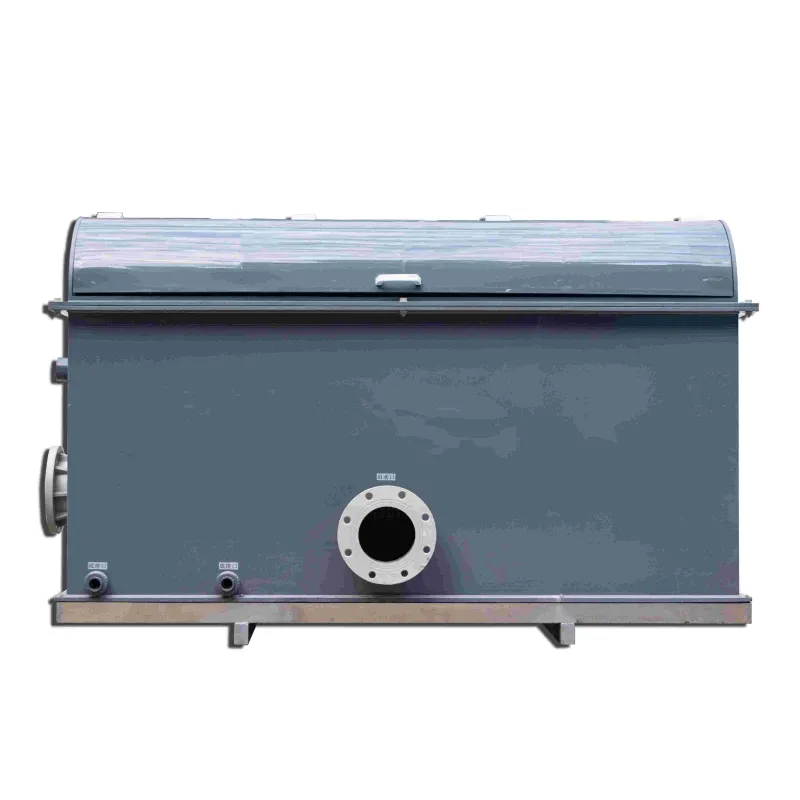
Industrial water treatment and process optimization have become critical factors for modern manufacturing facilities seeking to balance operational efficiency with environmental responsibility. Among the various filtration technologies available, the rotary drum filter has emerged as a cornerstone solution for continuous solid-liquid separation processes across multiple industries. These sophisticated systems offer unparalleled performance in applications ranging from municipal wastewater treatment to industrial process water purification, delivering consistent results while minimizing energy consumption and operational costs.
The engineering principles behind drum filter design focus on maximizing filtration surface area while maintaining optimal flow dynamics throughout the separation process. Modern installations incorporate advanced materials and precision manufacturing techniques to ensure long-term reliability and consistent performance under demanding operating conditions. Understanding these fundamental design elements enables operators to make informed decisions when selecting filtration systems for their specific applications.
Advanced Engineering Principles in Drum Filter Architecture
Structural Framework and Material Selection
Contemporary drum filter construction utilizes high-grade stainless steel and corrosion-resistant alloys to withstand aggressive chemical environments while maintaining structural integrity over extended operational periods. The cylindrical drum assembly incorporates precision-machined support structures that distribute mechanical loads evenly across the entire filtration surface. This balanced load distribution prevents deformation and ensures consistent gap spacing between filter media and support elements throughout the system's operational lifespan.
Material selection extends beyond basic corrosion resistance to encompass thermal expansion characteristics, mechanical strength properties, and chemical compatibility with process fluids. Engineers carefully evaluate these factors during the design phase to ensure optimal performance across varying temperature ranges and chemical exposure conditions. The resulting material specifications provide long-term durability while minimizing maintenance requirements and operational disruptions.
Hydraulic Design Optimization
Hydraulic efficiency represents a fundamental aspect of drum filter performance, directly influencing energy consumption and filtration capacity. Advanced computational fluid dynamics modeling enables engineers to optimize internal flow patterns, minimizing turbulence and pressure losses throughout the system. These design refinements translate into reduced pumping requirements and improved overall energy efficiency for the complete treatment process.
Flow distribution systems incorporate strategically positioned inlet manifolds and outlet collectors that ensure uniform liquid distribution across the entire filtration surface. This uniform distribution prevents localized overloading and extends filter media lifespan while maintaining consistent filtration quality. Precision-engineered flow control mechanisms allow operators to adjust processing rates based on influent characteristics and desired effluent quality parameters.
Energy Efficiency Mechanisms and Performance Enhancement
Drive System Integration and Power Management
Modern drum filter installations integrate variable frequency drive systems that automatically adjust rotation speeds based on real-time operating conditions and filtration requirements. These intelligent control systems monitor multiple process parameters simultaneously, including differential pressure, flow rates, and solids concentration levels, to optimize energy consumption while maintaining treatment efficiency. The adaptive control algorithms continuously fine-tune operating parameters to achieve optimal performance across varying influent conditions.
Power management systems incorporate energy recovery mechanisms that capture and utilize waste heat generated during the filtration process. Heat exchangers integrated into the system design recover thermal energy from process streams, reducing overall facility energy consumption. These energy recovery systems demonstrate measurable improvements in operational efficiency while supporting broader sustainability initiatives within industrial facilities.
Automated Backwash and Cleaning Protocols
Intelligent backwash systems utilize pressure monitoring and flow analysis to determine optimal cleaning intervals, minimizing water consumption and energy usage during maintenance cycles. Advanced sensors continuously monitor filter media condition and automatically initiate cleaning sequences when predetermined performance thresholds are reached. This automated approach eliminates unnecessary cleaning cycles while ensuring consistent filtration performance throughout operational periods.
Chemical cleaning integration allows for periodic deep cleaning cycles that remove accumulated contaminants and restore original filtration capacity. These automated chemical dosing systems precisely control cleaning agent concentrations and contact times to maximize cleaning effectiveness while minimizing chemical consumption and waste generation. The integration of these cleaning protocols extends filter media lifespan and reduces long-term operational costs.
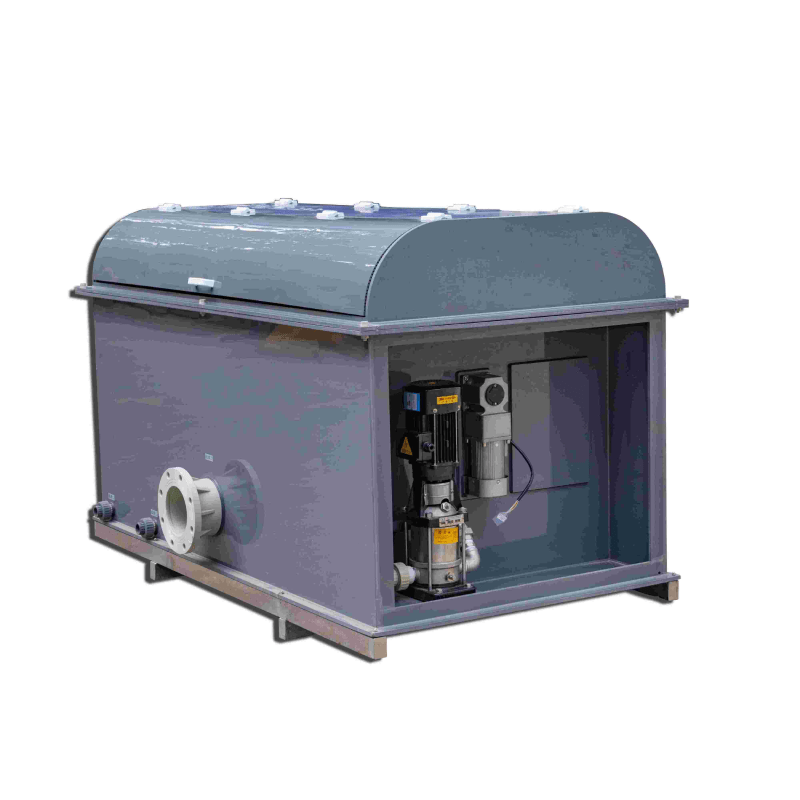
Process Integration and Operational Advantages
Continuous Operation Capabilities
Continuous operation represents a significant advantage of rotary drum filter systems compared to batch-processing alternatives. The continuous nature of the filtration process eliminates production interruptions and maintains steady-state conditions that optimize downstream process efficiency. This operational continuity proves particularly valuable in industrial applications where process stability directly impacts product quality and manufacturing efficiency.
Continuous operation also enables better integration with automated control systems and process monitoring technologies. Real-time data collection and analysis provide operators with comprehensive insights into system performance trends and potential optimization opportunities. These monitoring capabilities support predictive maintenance strategies that prevent unexpected failures and extend equipment operational lifespan.
Scalability and Modular Design Concepts
Modular design approaches enable facilities to scale filtration capacity incrementally based on changing process requirements and production demands. Standard modular components facilitate system expansion without major infrastructure modifications or extended downtime periods. This scalability proves essential for growing operations or facilities with seasonal capacity variations.
Standardized interfaces between modular components simplify installation procedures and reduce commissioning timeframes for new installations. Pre-engineered modules undergo thorough factory testing before shipment, ensuring reliable performance from initial startup. These standardization benefits extend to spare parts inventory management and maintenance procedures, reducing long-term operational complexity.
Industrial Applications and Performance Benchmarks
Municipal Wastewater Treatment Applications
Municipal wastewater treatment facilities utilize drum filter technology for primary clarification and tertiary polishing applications, achieving consistent removal efficiency across varying influent conditions. Performance data from operating installations demonstrate solids removal rates exceeding ninety-five percent while maintaining energy consumption levels significantly below conventional treatment alternatives. These performance metrics translate into substantial operational cost savings and improved environmental compliance.
Advanced installations incorporate nutrient removal capabilities that address increasingly stringent discharge requirements for phosphorus and nitrogen compounds. Specialized filter media configurations enable simultaneous physical separation and biological treatment processes, maximizing treatment efficiency within compact footprints. These integrated treatment approaches prove particularly valuable for facilities with limited available space or stringent effluent quality requirements.
Industrial Process Water Treatment
Industrial process water applications benefit from the precise separation capabilities and consistent performance characteristics of drum filter systems. Manufacturing facilities processing textiles, food products, and chemical compounds achieve significant improvements in process water quality while reducing overall water consumption through enhanced recycling capabilities. The reliable separation performance enables closed-loop water systems that minimize fresh water requirements and reduce discharge volumes.
Specialized industrial applications require customized filter media configurations tailored to specific contaminant characteristics and removal requirements. Engineering teams work closely with facility operators to develop optimized solutions that address unique process challenges while maintaining cost-effective operation. These customization capabilities demonstrate the versatility and adaptability of drum filter technology across diverse industrial sectors.
Maintenance Strategies and Operational Reliability
Predictive Maintenance Implementation
Predictive maintenance strategies utilize advanced sensor technologies and data analytics to monitor system performance and identify potential issues before they impact operational reliability. Vibration analysis, temperature monitoring, and performance trending provide early warning indicators that enable proactive maintenance interventions. These predictive approaches significantly reduce unexpected downtime while optimizing maintenance resource allocation.
Comprehensive maintenance programs incorporate regular inspections, component replacement schedules, and performance verification procedures that ensure long-term system reliability. Detailed maintenance documentation tracks component performance history and enables data-driven decisions regarding replacement timing and upgrade opportunities. These systematic approaches maximize equipment lifespan while minimizing total cost of ownership.
Component Standardization and Parts Management
Standardized component designs facilitate efficient spare parts inventory management and reduce maintenance complexity across multiple installations. Common wear components utilize standard dimensions and specifications that simplify procurement processes and reduce inventory carrying costs. This standardization also enables bulk purchasing agreements that provide additional cost advantages for facilities operating multiple systems.
Modular component designs enable partial system repairs without complete equipment shutdown, minimizing production interruptions during maintenance activities. Quick-disconnect fittings and standardized mounting interfaces facilitate rapid component replacement procedures. These design features prove particularly valuable for facilities with stringent uptime requirements or limited maintenance windows.
Economic Analysis and Return on Investment
Capital Cost Considerations
Initial capital investment for drum filter installations varies significantly based on system capacity, material specifications, and automation level requirements. Comprehensive economic analysis considers not only equipment costs but also installation expenses, commissioning activities, and operator training requirements. These total project costs provide the foundation for accurate return on investment calculations and financial justification for system implementation.
Financing options including equipment leasing and performance-based contracts provide alternative approaches for facilities with limited capital budgets or risk-averse investment strategies. These alternative financing structures enable access to advanced filtration technology while distributing costs over extended timeframes. Performance guarantees associated with these contracts provide additional risk mitigation and ensure expected operational benefits.
Long-term Operational Savings
Long-term operational savings from drum filter installations typically include reduced energy consumption, decreased chemical usage, and lower maintenance costs compared to conventional treatment alternatives. Energy savings alone often justify system implementation within three to five years of operation. Additional savings from reduced waste disposal costs and improved process efficiency provide ongoing benefits throughout the equipment lifespan.
Quantifiable environmental benefits including reduced carbon footprint and improved discharge quality support corporate sustainability initiatives while potentially qualifying for regulatory incentives or tax advantages. These environmental benefits increasingly influence investment decisions as organizations prioritize sustainable operations and environmental stewardship. The combination of economic and environmental advantages creates compelling justification for drum filter technology adoption.
FAQ
What factors determine the optimal size for a rotary drum filter installation
Optimal sizing depends on several critical factors including influent flow rates, solids concentration levels, desired effluent quality, and available installation space. Engineers typically calculate required filtration area based on surface loading rates and hydraulic residence time requirements. Additional considerations include peak flow capacity, redundancy requirements, and future expansion possibilities. Professional sizing calculations should account for all these variables to ensure adequate treatment capacity under all operating conditions.
How does filter media selection impact overall system performance
Filter media selection directly influences separation efficiency, maintenance requirements, and operational lifespan of the filtration system. Different media types offer varying pore sizes, chemical resistance properties, and mechanical strength characteristics suitable for specific applications. Proper media selection requires careful analysis of contaminant characteristics, operating conditions, and performance objectives. Regular media evaluation and replacement scheduling ensure consistent performance throughout the system operational life.
What maintenance intervals are recommended for optimal performance
Maintenance intervals vary based on operating conditions, influent characteristics, and system configuration but typically include daily visual inspections, weekly performance monitoring, monthly component inspections, and annual comprehensive maintenance procedures. Automated monitoring systems provide real-time performance data that enables condition-based maintenance scheduling rather than fixed time intervals. Facilities should develop customized maintenance schedules based on their specific operating conditions and performance requirements.
Can drum filter systems be retrofitted into existing treatment facilities
Retrofit installations are often feasible and can provide significant performance improvements over existing treatment technologies. Successful retrofits require careful evaluation of available space, existing infrastructure compatibility, and process integration requirements. Engineering assessments determine necessary modifications to piping, electrical systems, and control interfaces. Many retrofit projects achieve faster implementation timelines and lower costs compared to complete facility reconstruction while delivering substantial performance improvements.
Table of Contents
- Advanced Engineering Principles in Drum Filter Architecture
- Energy Efficiency Mechanisms and Performance Enhancement
- Process Integration and Operational Advantages
- Industrial Applications and Performance Benchmarks
- Maintenance Strategies and Operational Reliability
- Economic Analysis and Return on Investment
- FAQ