
 EN
EN
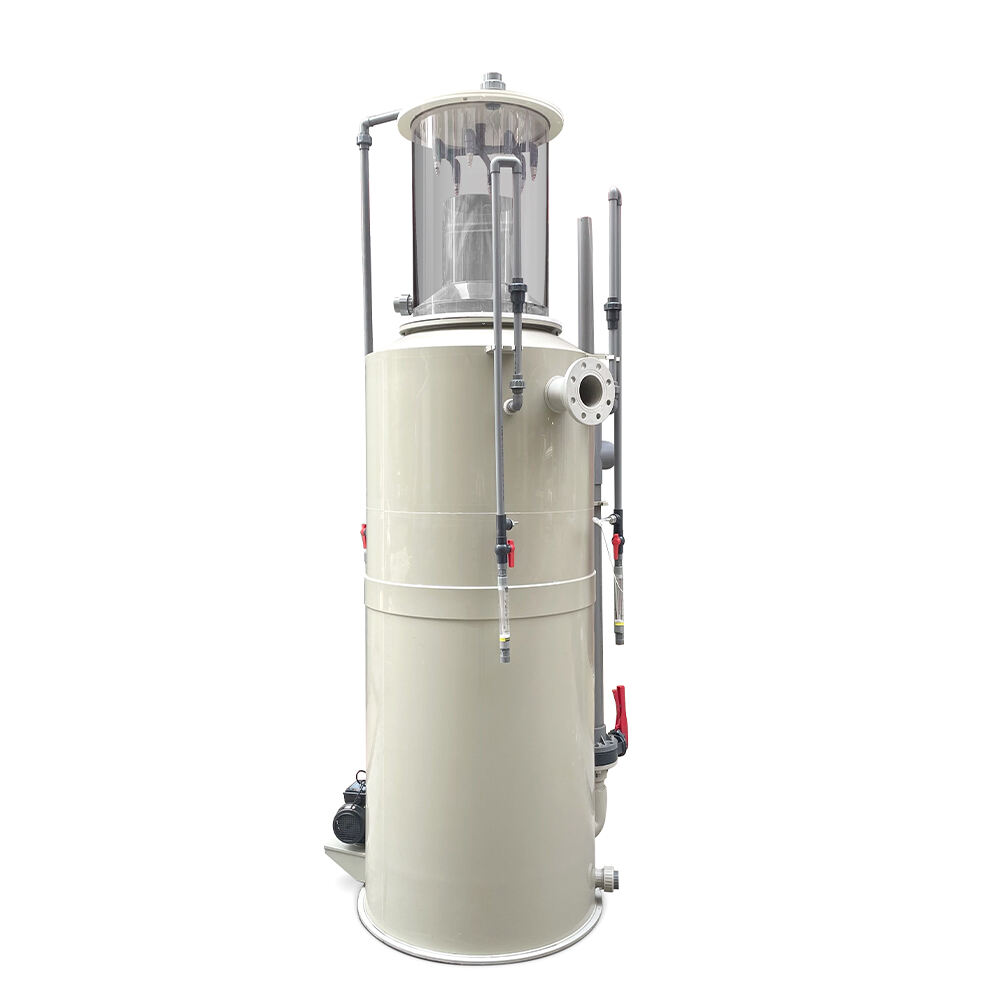
Marine aquarium enthusiasts understand that maintaining pristine water quality requires sophisticated filtration systems that go beyond basic mechanical and biological filtration. Among the most crucial components for saltwater aquariums, protein skimmers stand out as indispensable equipment that removes dissolved organic compounds before they can decompose and compromise water chemistry. These specialized devices utilize foam fractionation technology to extract proteins, amino acids, and other organic waste materials that would otherwise accumulate and create toxic conditions for marine life. Understanding the fundamental role of protein skimmers in aquarium filtration helps hobbyists and professionals maintain thriving underwater ecosystems.
Understanding Protein Skimmer Technology and Mechanics
Foam Fractionation Process Fundamentals
The core mechanism behind protein skimmer operation relies on foam fractionation, a process that creates millions of microscopic air bubbles within a reaction chamber. These bubbles attract hydrophobic molecules such as proteins, dissolved organics, and surface-active compounds through electrostatic forces. As the bubbles rise through the water column, they carry these waste materials to the surface where they form a dense foam that can be collected and removed from the system. This physical separation occurs before biological decomposition can begin, preventing the formation of ammonia, nitrites, and other harmful byproducts that stress aquatic organisms.
The efficiency of foam fractionation depends on several critical factors including bubble size, contact time, and water flow rates through the skimmer body. Smaller bubbles provide greater surface area for molecular attachment, while optimal contact time ensures maximum organic compound extraction. Modern protein skimmers incorporate advanced air injection systems and venturi valves that create consistent bubble production under varying operational conditions. The design of the reaction chamber also influences performance, with taller chambers providing longer contact times and more effective separation of organic materials from the water column.
Venturi and Needle Wheel Mechanisms
Contemporary protein skimmers employ either venturi systems or needle wheel pumps to generate the fine air bubbles essential for effective foam fractionation. Venturi-based models use water flow through a constricted chamber to create negative pressure that draws air into the system, mixing water and air to produce foam. These systems typically require external air pumps and precise adjustment of air intake valves to maintain optimal bubble production. The simplicity of venturi mechanisms makes them reliable and cost-effective, particularly for smaller aquarium installations where consistent performance outweighs maximum efficiency considerations.
Needle wheel technology represents a more sophisticated approach that uses specially designed impellers with numerous plastic pins or needles to chop incoming air into extremely fine bubbles. These modified centrifugal pumps create more consistent bubble size distribution and higher foam production rates compared to traditional venturi systems. Needle wheel skimmers typically operate more quietly and require less maintenance since they integrate air mixing directly into the water pump mechanism. The enhanced bubble production capability makes needle wheel designs particularly suitable for heavily loaded aquarium systems where maximum organic waste removal is essential for maintaining water quality.
Essential Functions in Marine Aquarium Filtration
Organic Waste Removal and Water Chemistry Stabilization
The primary function of protein skimmers involves removing dissolved organic compounds before they undergo bacterial decomposition within the aquarium system. Fish waste, uneaten food, dead plant material, and metabolic byproducts continuously add organic load to marine aquariums, creating conditions that can rapidly deteriorate without proper management. When these materials decompose through bacterial action, they produce ammonia, nitrites, and nitrates that stress fish and invertebrates while promoting unwanted algae growth. Protein skimmers intercept this cycle by physically removing organic precursors before biological processes can convert them into toxic compounds.
Beyond waste removal, protein skimmers contribute significantly to overall water chemistry stabilization by reducing the biological oxygen demand within aquarium systems. High organic loads consume dissolved oxygen as bacteria break down waste materials, creating hypoxic conditions that can be lethal to marine organisms. By removing organic compounds before decomposition occurs, skimmers help maintain higher dissolved oxygen levels while reducing the workload on biological filtration systems. This complementary relationship between protein skimming and biological filtration creates more stable water parameters and reduces the frequency of water changes required to maintain optimal conditions.
Surface Film and Gas Exchange Enhancement
Protein skimmers provide an often-overlooked benefit by continuously disrupting surface films that can impede gas exchange between aquarium water and atmospheric air. Organic compounds naturally accumulate at the water surface, creating thin films that reduce oxygen transfer and carbon dioxide removal efficiency. The vigorous water circulation and surface agitation created by protein skimmer operation helps break up these films while promoting better atmospheric gas exchange. This enhanced oxygenation particularly benefits marine organisms with high metabolic rates and systems with heavy bioloads where oxygen demand exceeds natural diffusion rates.
The foam fractionation process itself contributes to improved gas exchange by creating turbulence and mixing throughout the water column. As air bubbles rise through the skimmer chamber, they release dissolved gases and absorb oxygen, effectively stripping excess carbon dioxide while adding fresh oxygen to the system. This gas exchange function becomes increasingly important in closed aquarium systems where natural water movement and atmospheric contact are limited. Marine aquariums with efficient protein skimmers typically maintain more stable pH levels and higher dissolved oxygen concentrations compared to systems relying solely on surface agitation from powerheads or filtration equipment.
System Integration and Performance Optimization
Proper Sizing and Flow Rate Calculations
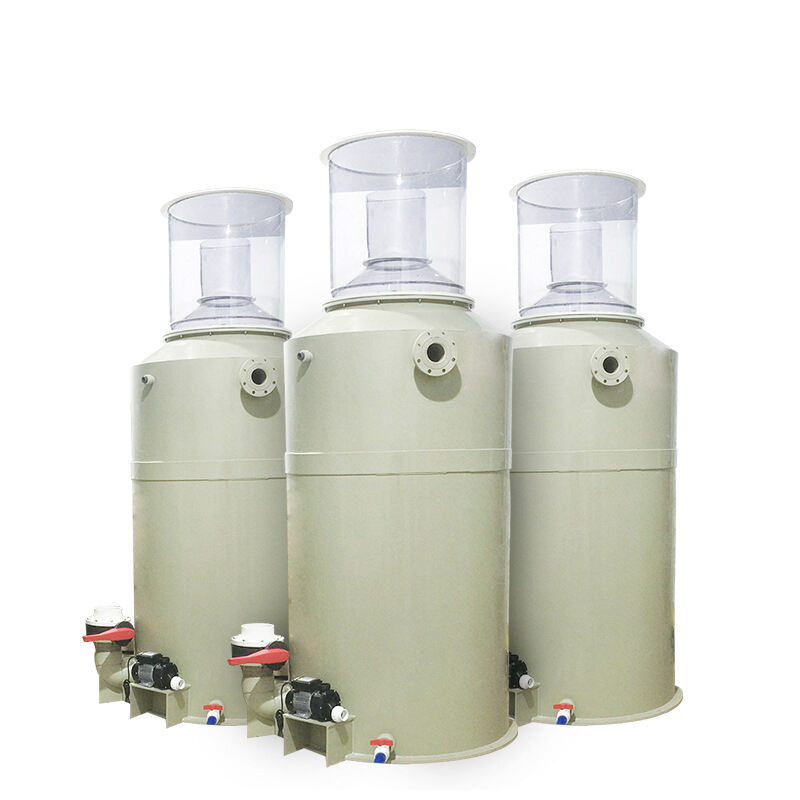
Selecting an appropriately sized protein skimmer requires careful consideration of aquarium volume, bioload, and feeding practices to ensure adequate organic waste processing capacity. Manufacturer recommendations typically specify skimmer capacity based on total system volume, but actual performance depends heavily on the organic load generated by fish populations, feeding frequency, and biological filtration efficiency. Heavily stocked reef aquariums or fish-only systems with aggressive feeding schedules may require skimmers rated for twice the actual water volume to maintain optimal water quality. Conversely, lightly loaded systems with efficient biological filtration may operate successfully with smaller skimmers that match recommended sizing guidelines.
Flow rate optimization plays a crucial role in protein skimmer performance, as both excessive and insufficient water flow can reduce foam production efficiency. Most skimmers include adjustable flow controls or gate valves that allow fine-tuning of water levels within the reaction chamber. The optimal water level typically positions the foam collection point just below the cup rim, allowing steady foam production without excessive wet skimming that removes beneficial trace elements. Regular monitoring and adjustment of flow rates ensures consistent performance as bioload changes over time due to fish growth, population changes, or seasonal feeding variations.
Maintenance Requirements and Operational Considerations
Effective protein skimmer operation requires regular maintenance to sustain peak performance and prevent equipment failure that could compromise water quality. Daily tasks include emptying collection cups and monitoring foam production levels to identify potential problems before they affect aquarium inhabitants. Weekly maintenance typically involves cleaning air intake components, checking venturi valves or needle wheel impellers for debris accumulation, and adjusting water flow rates as needed. Monthly deep cleaning of skimmer bodies removes biofilm buildup and salt creep that can reduce efficiency over time.
Proper break-in procedures are essential for new protein skimmers, as manufacturing oils and residues can interfere with foam production during initial operation. Most units require several days to weeks of continuous operation before reaching full efficiency, during which foam production may be inconsistent or minimal. Adding bacterial supplements or organic compounds can accelerate the break-in process by providing molecules for foam fractionation while establishing beneficial biofilms within the skimmer chamber. Understanding these operational characteristics helps aquarists avoid premature equipment replacement decisions based on temporary performance issues during the initial setup period.
Impact on Aquarium Ecosystem Health
Water Quality Improvements and Livestock Benefits
The implementation of efficient protein skimming creates measurable improvements in water quality parameters that directly benefit marine aquarium inhabitants. Regular organic waste removal reduces the accumulation of dissolved compounds that can stress fish immune systems and promote bacterial infections. Clearer water with lower organic loads allows better light penetration for photosynthetic corals and algae, while reduced nutrient levels help prevent nuisance algae blooms that compete with desirable organisms. Fish in aquariums with effective protein skimmers typically display more vibrant colors, increased activity levels, and improved disease resistance compared to systems without adequate organic waste management.
Long-term ecosystem stability benefits from protein skimmer operation include reduced fluctuations in water chemistry parameters and decreased maintenance requirements for other filtration components. Lower organic loads reduce the frequency of filter media replacement and extend the operational life of biological filtration systems by preventing organic overload conditions. The stable water conditions created by consistent protein skimming allow sensitive marine organisms such as corals, anemones, and invertebrates to thrive while reducing the stress factors that contribute to disease outbreaks and population crashes in closed aquarium systems.
Coral Health and Photosynthetic Organism Support
Reef aquariums particularly benefit from protein skimmer operation through the maintenance of optimal water clarity and nutrient levels required for coral health and growth. Excessive dissolved organics can interfere with coral feeding processes and reduce the efficiency of zooxanthellae photosynthesis that provides energy for coral metabolism. Clean water with low organic content allows maximum light transmission to photosynthetic organisms while maintaining the nutrient balance necessary for healthy coral coloration and skeletal development. Professional reef aquarists consistently report improved coral extension, feeding responses, and reproduction rates in systems equipped with properly sized protein skimmers.
The trace element preservation achieved through proper protein skimmer operation supports the complex biochemical processes required for coral calcification and growth. While aggressive skimming can remove beneficial compounds along with waste products, properly adjusted systems primarily target larger organic molecules while preserving essential minerals and nutrients. This selective removal capability makes protein skimmers invaluable tools for maintaining the delicate balance between waste removal and nutrient preservation required in successful reef aquarium ecosystems. Regular water testing and skimmer adjustment ensure optimal performance without compromising the trace element levels necessary for coral health and vibrant coloration.
FAQ
How often should I empty my protein skimmer collection cup
The frequency of collection cup emptying depends on your aquarium's bioload and feeding practices, but most systems require daily to weekly attention. Heavily stocked aquariums or those with aggressive feeding schedules may need daily cup emptying, while lightly loaded systems might only require weekly maintenance. Monitor the cup regularly and empty it before foam reaches the rim to prevent overflow back into the aquarium. Consistent emptying schedules help maintain optimal skimmer performance and prevent bacterial growth within collected waste materials.
Can protein skimmers remove beneficial bacteria and trace elements
Properly adjusted protein skimmers primarily target dissolved organic compounds and surface-active molecules rather than beneficial bacteria or trace elements. Most beneficial bacteria exist in biofilms attached to surfaces rather than free-floating in the water column, making them unlikely candidates for foam fractionation removal. However, aggressive wet skimming can remove some trace elements along with organic waste, which is why proper adjustment and regular water testing are important. Supplementing trace elements through regular water changes or commercial additives compensates for any minor losses from skimmer operation.
What causes protein skimmers to produce excessive wet foam
Excessive wet foam production typically results from overly high water flow rates, incorrect water level adjustment within the skimmer body, or contamination from oils, medications, or chemical additives. New aquarium setups or recent medication treatments can temporarily disrupt foam consistency until normal biological processes reestablish themselves. Adjusting the water flow rate downward or lowering the internal water level usually resolves wet skimming issues. If problems persist, check for oil contamination from equipment lubricants or food sources that might interfere with normal foam fractionation processes.
Do freshwater aquariums require protein skimmers for effective filtration
Freshwater aquariums typically do not benefit from protein skimmer operation because the foam fractionation process requires the ionic strength and surface tension properties found in saltwater environments. The dissolved minerals and salts in marine aquariums create conditions that allow organic compounds to attach to air bubbles effectively, while freshwater lacks these characteristics necessary for foam formation. Freshwater aquariums achieve similar organic waste removal through efficient biological filtration, regular water changes, and mechanical filtration systems designed specifically for freshwater chemistry and waste characteristics.