 EN
EN
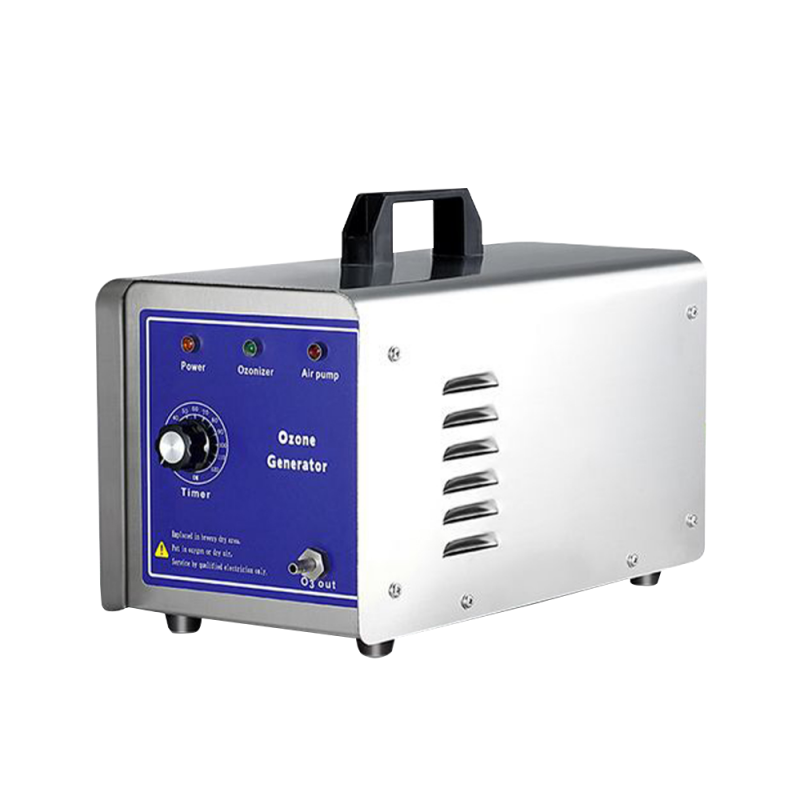
Ozone generators have emerged as powerful disinfection tools that are transforming safety protocols across multiple industries. These innovative devices harness the natural oxidizing properties of ozone gas to eliminate bacteria, viruses, fungi, and other harmful microorganisms from surfaces, air, and water systems. The healthcare and food industries, in particular, have embraced this technology due to its effectiveness in maintaining sterile environments and ensuring product safety without leaving chemical residues.
The growing popularity of ozone-based disinfection systems stems from their ability to provide comprehensive sanitization while addressing the increasing demand for chemical-free solutions. Unlike traditional cleaning agents that may leave harmful residues or require extensive rinsing, ozone naturally decomposes back into oxygen after completing its disinfection cycle. This unique characteristic makes it an ideal choice for environments where contamination control is critical and where traditional chemicals might compromise product integrity or patient safety.
Understanding Ozone Technology and Its Disinfection Mechanisms
The Science Behind Ozone Generation
Ozone generators utilize advanced technology to convert regular oxygen molecules into ozone through either corona discharge or ultraviolet light processes. The corona discharge method creates an electrical field that splits oxygen molecules, allowing them to recombine into ozone molecules containing three oxygen atoms instead of two. This molecular structure makes ozone highly unstable and reactive, giving it powerful oxidizing properties that can destroy cellular walls of microorganisms upon contact.
The effectiveness of ozone as a disinfectant lies in its ability to penetrate cell membranes and disrupt vital cellular processes. When ozone molecules encounter bacteria, viruses, or other pathogens, they oxidize the cellular components, leading to immediate destruction of the microorganism. This process occurs rapidly and thoroughly, making ozone significantly more potent than traditional chlorine-based disinfectants while requiring shorter contact times to achieve complete sterilization.
Ozone Concentration and Contact Time Factors
The efficacy of ozone disinfection depends primarily on two critical factors: concentration levels and contact time. Healthcare and food industry applications typically require ozone concentrations ranging from 0.1 to 10 parts per million, depending on the specific application and level of contamination. Higher concentrations can achieve faster disinfection, but they must be carefully controlled to ensure safety and prevent material damage to sensitive equipment or surfaces.
Contact time requirements vary based on the target microorganisms and environmental conditions such as temperature, humidity, and organic load. Most pathogenic bacteria and viruses are eliminated within minutes of exposure to appropriate ozone concentrations, while more resistant spores may require extended contact periods. Modern ozone generators incorporate sophisticated monitoring systems that automatically adjust concentration levels and exposure times to optimize disinfection effectiveness while maintaining safety standards.
Healthcare Industry Applications and Benefits
Operating Room and Surgical Suite Sterilization
Healthcare facilities have increasingly adopted ozone generators for maintaining sterile environments in operating rooms, intensive care units, and surgical suites. These critical areas require the highest levels of disinfection to prevent healthcare-associated infections and ensure patient safety. Ozone treatment effectively eliminates airborne pathogens and surface contaminants without introducing chemical residues that could interfere with sensitive medical equipment or compromise patient health.
The ability of ozone to penetrate hard-to-reach areas makes it particularly valuable for disinfecting complex medical equipment and surgical instruments. Unlike traditional sterilization methods that may require disassembly of equipment or lengthy processing times, ozone treatment can effectively sanitize assembled devices and intricate components in their operational configuration. This capability significantly reduces preparation time between procedures while ensuring comprehensive disinfection of all surfaces and components.
Water Treatment and Medical Device Processing
Water systems in healthcare facilities present unique challenges for maintaining microbiological safety, as traditional chlorine treatment may not effectively eliminate all pathogens and can create harmful disinfection byproducts. Ozone water treatment systems provide superior disinfection performance against bacteria, viruses, and parasites while improving water taste and odor without leaving chemical residues. This makes ozone-treated water ideal for patient care, medical device processing, and pharmaceutical applications.
Medical device reprocessing departments utilize ozone technology for cleaning and disinfecting heat-sensitive instruments that cannot undergo traditional steam sterilization. The low-temperature ozone process effectively eliminates biofilms and resistant microorganisms from complex device surfaces while preserving the integrity of delicate materials such as plastics, rubber, and electronic components. This capability extends the useful life of expensive medical equipment while maintaining the highest standards of sterility.
Food Industry Integration and Safety Enhancement
Food Processing and Storage Facilities
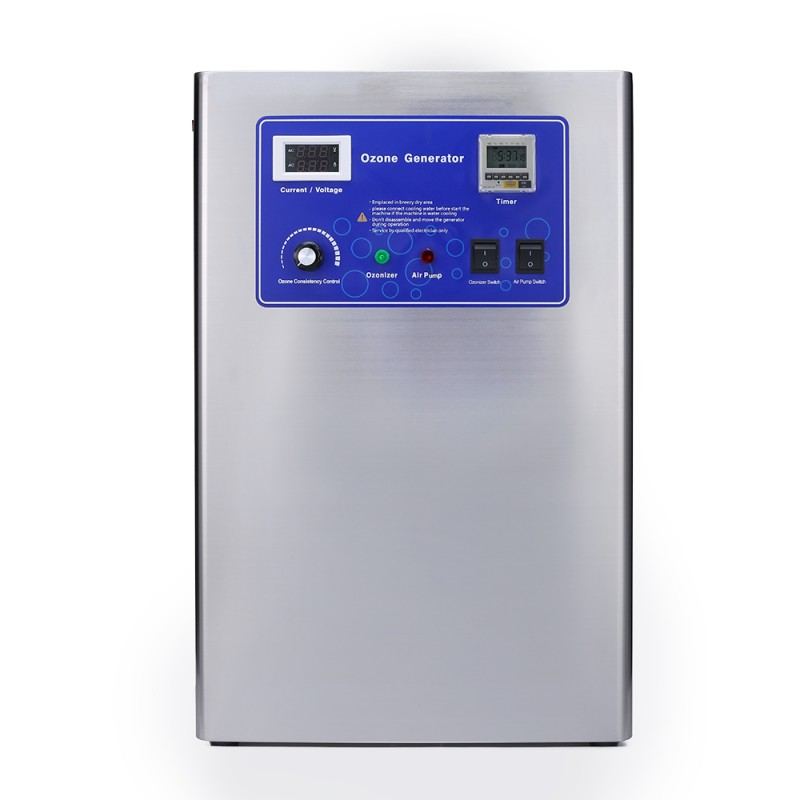
Food processing facilities have embraced ozone generators as an effective solution for maintaining sanitary conditions throughout production, packaging, and storage operations. The technology provides comprehensive disinfection of processing equipment, conveyor systems, and storage areas without introducing chemical contaminants that could affect food quality or safety. This capability is particularly valuable for organic food producers and facilities that prioritize natural processing methods.
The penetrating power of ozone makes it exceptionally effective for eliminating pathogens in areas that are difficult to clean manually, such as equipment crevices, air handling systems, and storage facility corners. Regular ozone treatment cycles can significantly reduce microbial loads in these challenging environments, helping food processors maintain consistent product quality and extend shelf life. The technology also eliminates odors and volatile organic compounds that can accumulate in food processing environments, creating a fresher and more pleasant working atmosphere.
Fresh Produce Treatment and Preservation
Fresh produce handling and storage facilities utilize ozone technology to extend product shelf life and reduce spoilage rates while maintaining nutritional quality. Ozone treatment effectively eliminates surface pathogens on fruits and vegetables without penetrating the produce itself, providing safer products for consumers while preserving natural appearance and texture. This application has become increasingly important as consumer demand for fresh, minimally processed foods continues to grow.
Cold storage facilities benefit significantly from ozone treatment systems that control microbial growth and eliminate ethylene gas produced by ripening fruits. By managing these factors, ozone technology helps maintain optimal storage conditions that preserve product quality and extend marketable life. The ability to treat large volumes of produce efficiently makes ozone an economically viable solution for commercial operations while supporting food safety objectives and reducing waste.
Regulatory Compliance and Safety Considerations
FDA and EPA Approval Status
Ozone generators used in healthcare and food applications must comply with strict regulatory standards established by the Food and Drug Administration and Environmental Protection Agency. The FDA has recognized ozone as Generally Recognized as Safe for food contact applications, while the EPA regulates ozone-generating devices to ensure they meet safety and performance standards. These regulatory approvals provide confidence for facility managers considering ozone technology implementation.
Compliance requirements include proper installation, operation, and maintenance procedures that ensure worker safety and environmental protection. Facilities must implement appropriate monitoring systems to track ozone concentrations and maintain exposure levels within acceptable limits. Regular calibration and maintenance of ozone generators are essential for sustained regulatory compliance and optimal performance in critical applications.
Worker Safety and Environmental Impact
Proper implementation of ozone disinfection systems requires comprehensive safety protocols to protect workers from excessive ozone exposure. Occupational safety standards limit workplace ozone concentrations to prevent respiratory irritation and other health effects. Modern ozone generators incorporate advanced safety features including automatic shut-off systems, area monitoring sensors, and ventilation controls that maintain safe working conditions during operation.
The environmental benefits of ozone technology include elimination of chemical waste streams and reduction of harmful disinfection byproducts commonly associated with chlorine-based systems. Ozone decomposes naturally into oxygen without creating persistent environmental contaminants, making it an environmentally sustainable disinfection solution. This characteristic aligns with corporate sustainability goals and environmental stewardship initiatives increasingly important to healthcare and food industry organizations.
Economic Advantages and Cost Effectiveness
Operating Cost Reduction
Healthcare and food industry facilities experience significant operating cost reductions when implementing ozone disinfection systems compared to traditional chemical-based methods. The primary input for ozone generation is electrical power and ambient air, eliminating ongoing expenses for chemical purchases, storage, and disposal. This creates predictable operating costs that are not subject to chemical price fluctuations or supply chain disruptions.
Labor costs associated with chemical handling, mixing, and application are substantially reduced with automated ozone systems that require minimal operator intervention. The elimination of chemical inventory management, safety training requirements, and hazardous waste disposal further contributes to overall cost savings. These economic benefits become more significant as facility size and treatment frequency increase, making ozone technology particularly attractive for large-scale operations.
Equipment Longevity and Maintenance Benefits
Ozone treatment helps extend the useful life of processing equipment and infrastructure by eliminating corrosive chemical residues that can cause premature deterioration. Unlike harsh chemical disinfectants that may damage seals, gaskets, and metal surfaces over time, ozone provides effective disinfection without contributing to equipment degradation. This benefit results in reduced maintenance costs and longer replacement intervals for expensive processing equipment.
The gentle nature of ozone treatment on most materials allows for more frequent disinfection cycles without compromising equipment integrity. This capability enables facilities to maintain higher hygiene standards while protecting capital investments in processing equipment. Regular ozone treatment also helps prevent biofilm formation and mineral buildup that can reduce equipment efficiency and increase maintenance requirements.
Future Trends and Technology Developments
Advanced Monitoring and Control Systems
Emerging technologies in ozone generation include sophisticated monitoring and control systems that provide real-time feedback on disinfection effectiveness and safety parameters. These advanced systems utilize sensors, data analytics, and artificial intelligence to optimize ozone production and distribution based on environmental conditions and contamination levels. Such innovations improve treatment reliability while reducing energy consumption and operational complexity.
Integration with facility management systems allows remote monitoring and control of ozone generators, enabling centralized oversight of disinfection protocols across multiple locations. Predictive maintenance capabilities help prevent equipment failures and ensure consistent performance, while automated documentation systems support regulatory compliance and quality assurance requirements. These technological advances make ozone systems more accessible and manageable for facilities of all sizes.
Emerging Applications and Market Growth
The application of ozone technology continues to expand into new areas within healthcare and food industries as research demonstrates additional benefits and capabilities. Pharmaceutical manufacturing, biotechnology production, and specialty food processing are increasingly adopting ozone systems for their unique disinfection requirements. The growing emphasis on infection prevention and food safety drives continued investment in ozone technology development and implementation.
Market growth projections indicate substantial expansion in ozone generator adoption over the coming years, driven by regulatory pressures, cost considerations, and environmental sustainability goals. Technological improvements in generator efficiency, safety systems, and ease of use continue to lower barriers to implementation while expanding the range of suitable applications. This growth trajectory suggests that ozone disinfection will become increasingly mainstream in healthcare and food industry operations.
FAQ
How long does ozone treatment take to effectively disinfect surfaces and air
Ozone treatment duration varies depending on the application and contamination level, but most surface disinfection occurs within 10 to 30 minutes of exposure. Air treatment typically requires 15 to 60 minutes depending on room size and air circulation. The rapid action of ozone allows for efficient treatment cycles that can be integrated into normal operational schedules without significant downtime.
Can ozone generators damage sensitive equipment or materials in healthcare facilities
Properly operated ozone generators are safe for most medical equipment and materials when used according to manufacturer specifications and safety guidelines. Some sensitive materials like natural rubber or certain plastics may require special consideration, but modern ozone systems include controls that prevent exposure levels from reaching damaging concentrations. Equipment compatibility should always be verified before implementation.
What maintenance requirements are associated with ozone generators in commercial applications
Ozone generators require regular maintenance including cleaning of ozone-producing elements, replacement of filters, and calibration of monitoring systems. Most systems need professional service every 6 to 12 months, with daily operational checks performed by facility staff. Proper maintenance ensures optimal performance, safety compliance, and equipment longevity while minimizing unexpected downtime or performance issues.
Are there any restrictions on using ozone generators in food processing areas
Ozone use in food processing is regulated by FDA guidelines that specify appropriate applications, concentration limits, and safety requirements. Direct food contact applications must comply with specific standards, while ambient air and surface treatment generally have more flexible requirements. Facilities must implement proper ventilation, monitoring, and safety protocols to ensure compliance with all applicable regulations and worker protection standards.
Table of Contents
- Understanding Ozone Technology and Its Disinfection Mechanisms
- Healthcare Industry Applications and Benefits
- Food Industry Integration and Safety Enhancement
- Regulatory Compliance and Safety Considerations
- Economic Advantages and Cost Effectiveness
- Future Trends and Technology Developments
-
FAQ
- How long does ozone treatment take to effectively disinfect surfaces and air
- Can ozone generators damage sensitive equipment or materials in healthcare facilities
- What maintenance requirements are associated with ozone generators in commercial applications
- Are there any restrictions on using ozone generators in food processing areas