
 EN
EN
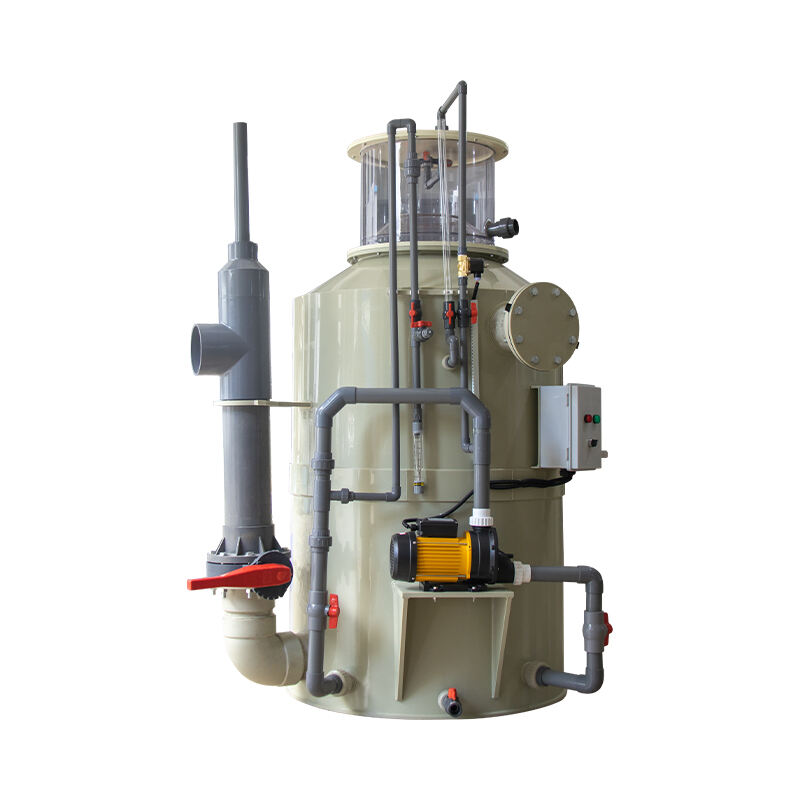
Maintaining pristine water quality in marine aquariums is one of the most critical aspects of successful fish keeping. Among the various filtration methods available, protein skimmers stand out as essential equipment for removing dissolved organic compounds before they can break down and pollute the aquatic environment. These devices work by creating fine bubbles that attract and remove proteins, amino acids, and other organic waste materials that standard mechanical filtration cannot capture.
The effectiveness of protein skimmers in marine aquariums has been proven through decades of use by both hobbyists and professional aquaculturists. By removing organic waste before it decomposes, these systems prevent the accumulation of harmful compounds that can stress fish, promote algae growth, and create unstable water chemistry. Understanding how protein skimmers function and their impact on aquatic ecosystems helps aquarium owners make informed decisions about their filtration strategies.
Understanding Protein Skimmer Technology and Mechanisms
Foam Fractionation Process
Protein skimmers operate on the principle of foam fractionation, a process that exploits the natural tendency of organic molecules to bind with air bubbles. When water and air are mixed vigorously within the skimmer chamber, microscopic bubbles form and rise to the surface. Dissolved organic compounds, particularly proteins and other polar molecules, are attracted to the surface tension of these bubbles and become concentrated in the foam layer.
The foam layer gradually builds up and overflows into a collection cup, effectively removing these waste products from the aquarium water. This process occurs continuously, providing constant water purification without the need for media replacement or extensive maintenance. The efficiency of this mechanism depends on factors such as bubble size, contact time, and the concentration of organic materials in the water.
Air Injection and Bubble Generation
Modern protein skimmers utilize various methods to generate the fine bubbles necessary for effective foam fractionation. Venturi valves, needle wheel impellers, and mesh wheels are common technologies employed to create optimal bubble sizes. The smaller and more uniform the bubbles, the greater the surface area available for organic compound attachment, resulting in improved skimming efficiency.
Air injection rates and bubble density must be carefully calibrated to achieve optimal performance. Too few bubbles result in insufficient organic removal, while excessive aeration can create turbulence that disrupts the foam formation process. High-quality protein skimmers incorporate adjustable air flow controls and precision-engineered components to maintain consistent bubble generation across varying operating conditions.
Water Quality Benefits and Chemical Balance
Organic Waste Removal
The primary benefit of protein skimmers lies in their ability to remove dissolved organic compounds before they undergo bacterial decomposition. Fish waste, uneaten food, and decaying plant matter release proteins, amino acids, and other organic molecules into the water column. Without proper removal, these substances break down into ammonia, nitrites, and nitrates, creating a toxic environment for marine life.
By extracting these organic precursors directly from the water, protein skimmers prevent the formation of harmful nitrogen compounds and reduce the biological load on beneficial bacteria colonies. This proactive approach to waste management maintains more stable water chemistry and reduces the frequency of water changes required to maintain acceptable water quality parameters.
Oxygen Level Enhancement
The vigorous aeration process inherent in protein skimmer operation provides a secondary benefit of increased dissolved oxygen levels in aquarium water. The constant introduction of fresh air bubbles and the mixing action within the skimmer chamber promotes gas exchange at the water surface. Higher oxygen concentrations support healthier fish respiration and enhance the efficiency of beneficial bacteria that process remaining organic waste.
Improved oxygenation also helps prevent anaerobic conditions that can develop in areas of poor water circulation. These oxygen-depleted zones often become sources of hydrogen sulfide and other toxic compounds that can stress or kill marine organisms. The enhanced water movement and oxygenation provided by protein skimmers help maintain aerobic conditions throughout the aquarium system.
Impact on Fish Health and Disease Prevention
Stress Reduction and Immune Function
Clean water with low levels of dissolved organic compounds creates a less stressful environment for marine fish, directly supporting their immune system function. When fish are exposed to high concentrations of organic waste products, their bodies must expend energy to process and eliminate these toxins, leaving fewer resources available for maintaining strong immune defenses against pathogens.
Protein skimmers help maintain water quality parameters within optimal ranges, reducing physiological stress on fish and allowing their natural immune systems to function effectively. Fish kept in well-skimmed aquariums typically display better coloration, more active behavior, and increased resistance to common diseases such as marine ich and bacterial infections.
Pathogen and Parasite Control
The foam fractionation process employed by protein skimmers can also remove certain pathogens and parasites from the water column. Many disease-causing organisms and their reproductive stages are organic in nature and can be captured by the same mechanisms that remove other dissolved organic compounds. While protein skimmers should not be considered a primary disease treatment method, they provide valuable support in maintaining a healthier aquatic environment.
Additionally, the improved water quality maintained by protein skimmers reduces the conditions that favor pathogen proliferation. Many harmful bacteria and parasites thrive in environments with high organic loads and poor water quality. By maintaining cleaner water conditions, protein skimmers help create an environment less conducive to disease outbreaks and more supportive of beneficial microorganisms.
Optimizing Protein Skimmer Performance
Sizing and Capacity Considerations
Proper sizing of protein skimmers is crucial for achieving optimal water quality benefits. Undersized units may struggle to process the organic load generated by the aquarium inhabitants, while oversized skimmers can remove beneficial trace elements and microorganisms along with unwanted waste products. Most manufacturers provide sizing guidelines based on aquarium volume and bioload density.
The bioload of an aquarium depends not only on the number and size of fish but also on feeding practices, live rock quantity, and the presence of other organic sources. Heavily stocked tanks or those with aggressive feeding schedules may require larger capacity protein skimmers to maintain adequate water quality. Regular monitoring of skimmate production and water quality parameters helps determine if the skimmer size is appropriate for the system.
Maintenance and Adjustment Protocols
Regular maintenance ensures protein skimmers continue to operate at peak efficiency throughout their service life. Daily inspection of foam production and skimmate collection helps identify any performance issues before they impact water quality. The collection cup should be emptied regularly, and the interior surfaces cleaned to prevent bacterial growth and odor development.
Periodic cleaning of air injection components and impellers removes accumulated debris that can reduce bubble generation efficiency. Water level adjustments may be necessary as evaporation and water changes alter the operating parameters of the skimmer. Many modern units include adjustment mechanisms that allow fine-tuning of foam production levels to match changing system conditions.
Integration with Complete Filtration Systems
Biological and Mechanical Filtration Synergy
Protein skimmers work most effectively when integrated with comprehensive filtration systems that include biological and mechanical components. While skimmers excel at removing dissolved organics, mechanical filters capture larger particulate matter, and biological filters process remaining dissolved nutrients through bacterial action. This multi-stage approach addresses different types of waste products through specialized mechanisms.
The reduced organic load created by protein skimmers allows biological filters to function more efficiently, as beneficial bacteria are not overwhelmed by excessive waste products. This synergistic relationship results in more stable nitrogen cycling and better overall water quality than any single filtration method could achieve independently.
Chemical Filtration Compatibility
Carbon filtration and other chemical media work complementarily with protein skimmers to address different categories of dissolved substances. While skimmers target organic compounds, activated carbon removes dissolved organics that may escape skimming, as well as medications, heavy metals, and other chemical contaminants. Phosphate removers and other specialized media can target specific problem compounds.
The order of filtration stages affects overall system efficiency, with protein skimming typically occurring before chemical filtration to prevent interference with the foam fractionation process. Some chemical media can reduce the effectiveness of protein skimmers by altering water surface tension or binding with organic compounds before they can be skimmed.
FAQ
How long does it take for a protein skimmer to improve water quality?
Most protein skimmers begin producing foam and removing organic compounds within 24-48 hours of installation, though it may take several days to reach optimal performance levels. The break-in period allows bacterial films to develop on internal surfaces, which actually enhances skimming efficiency. Significant improvements in water clarity and quality are typically noticeable within the first week of operation, with continued benefits accumulating over time as organic waste levels decrease.
Can protein skimmers remove beneficial bacteria and trace elements?
Protein skimmers primarily target dissolved organic compounds and are generally not effective at removing beneficial bacteria, which exist primarily in biofilms attached to surfaces rather than freely suspended in the water column. However, aggressive skimming can remove some trace elements and beneficial microorganisms. This is why proper sizing and adjustment are important to avoid over-skimming, and why many aquarists supplement with trace element additives in heavily skimmed systems.
What should the skimmate look like and how often should it be emptied?
Healthy skimmate typically appears as a dark, thick liquid with a consistency similar to coffee or tea, indicating effective organic removal. The collection cup should be emptied when it reaches about half to three-quarters full, which may occur daily in new systems or heavily loaded tanks, or weekly in established, lightly loaded aquariums. Thin, watery skimmate may indicate over-skimming or insufficient organic load, while no foam production suggests mechanical problems or extremely clean water conditions.
Do freshwater aquariums need protein skimmers?
Protein skimmers are designed specifically for saltwater applications and are generally not effective in freshwater aquariums due to differences in water surface tension and ionic composition. Freshwater systems typically rely on biological filtration, mechanical filtration, and regular water changes for waste management. The foam fractionation process requires the higher surface tension found in saltwater to function properly, making protein skimmers unsuitable for most freshwater applications.