
 EN
EN
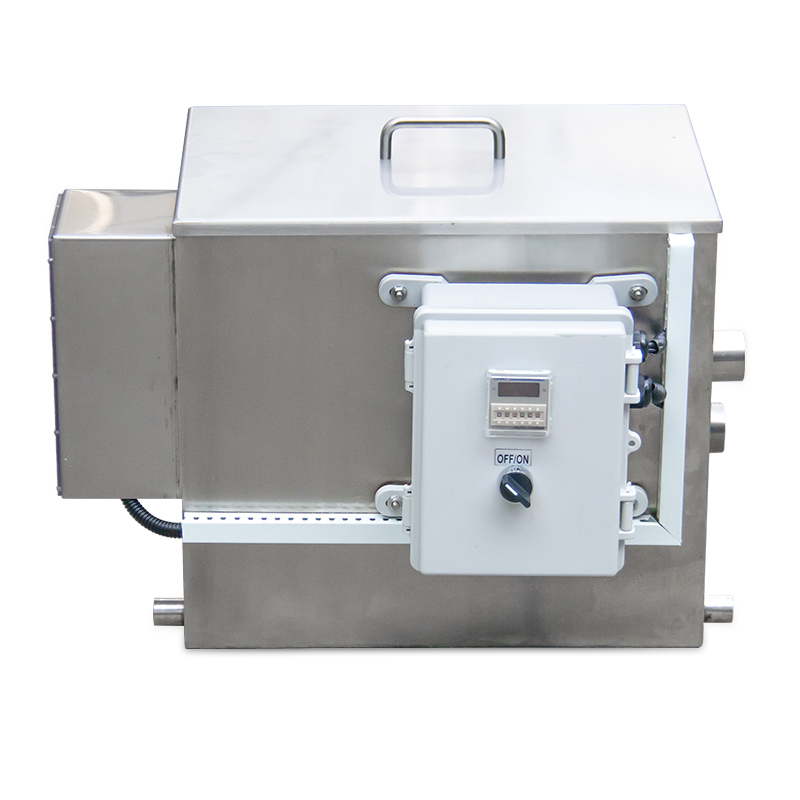
Industrial filtration systems play a crucial role in various manufacturing processes, with rotary drum filter systems standing as one of the most effective solutions for solid-liquid separation. These sophisticated machines require comprehensive safety protocols to ensure optimal operation while protecting personnel and equipment. Understanding and implementing proper safety measures becomes paramount when dealing with high-capacity filtration systems that often operate under challenging conditions involving chemicals, high temperatures, and mechanical components.
Pre-Operational Safety Protocols
Equipment Inspection and Verification
Before initiating any rotary drum filter operation, conducting thorough equipment inspections represents the foundation of safe operation. Operators must examine all mechanical components including the drum assembly, drive systems, and filtration media for signs of wear, damage, or misalignment. Visual inspection should encompass checking for loose bolts, cracked welds, or deteriorated seals that could compromise system integrity during operation.
The filtration media requires particular attention as damaged or improperly installed filter cloth can lead to poor separation efficiency and potential safety hazards. Operators should verify that the filter medium is correctly tensioned and free from tears or holes that might allow unfiltered material to pass through. Additionally, inspecting the drum surface for accumulated debris or chemical residue ensures optimal contact between the slurry and filtration media.
Safety System Verification
Emergency shutdown systems must undergo systematic testing before each operational cycle. These systems include emergency stop buttons, safety interlocks, and automated shutdown triggers that activate when abnormal conditions are detected. Verification involves testing each safety mechanism individually to ensure rapid response times and proper functionality under various scenarios.
Guard installations and safety barriers around moving components require inspection to prevent accidental contact with rotating elements. The rotary drum filter incorporates multiple moving parts that present pinch points and crushing hazards, making proper guarding essential for operator safety. All access panels and maintenance doors should be properly secured and equipped with appropriate warning labels.
Personal Protective Equipment Requirements
Essential PPE Components
Operating personnel must utilize comprehensive personal protective equipment tailored to the specific chemicals and conditions present in the filtration process. Chemical-resistant gloves become mandatory when handling slurries containing corrosive or toxic materials, while safety goggles or face shields protect against splashing during filling or cleaning operations. The selection of appropriate PPE depends on the material safety data sheets for all chemicals involved in the process.
Respiratory protection may be necessary when operating rotary drum filter systems that generate airborne particles or vapors. Dust masks or respirators should be selected based on the concentration and type of contaminants present in the working environment. Additionally, chemical-resistant aprons or suits provide body protection against accidental contact with hazardous materials during routine maintenance or emergency response procedures.
PPE Maintenance and Replacement
Regular inspection and maintenance of personal protective equipment ensures continued effectiveness throughout the operational period. Chemical-resistant gloves require frequent inspection for punctures or degradation that could compromise protection against hazardous substances. Replacement schedules should be established based on manufacturer recommendations and actual usage conditions to maintain optimal protection levels.
Storage and cleaning protocols for reusable PPE components help prevent cross-contamination and maintain equipment integrity. Proper decontamination procedures remove chemical residues that might cause skin irritation or equipment degradation over time. Documentation of PPE inspection and replacement activities provides traceability for safety compliance and helps identify patterns that might indicate process improvements.
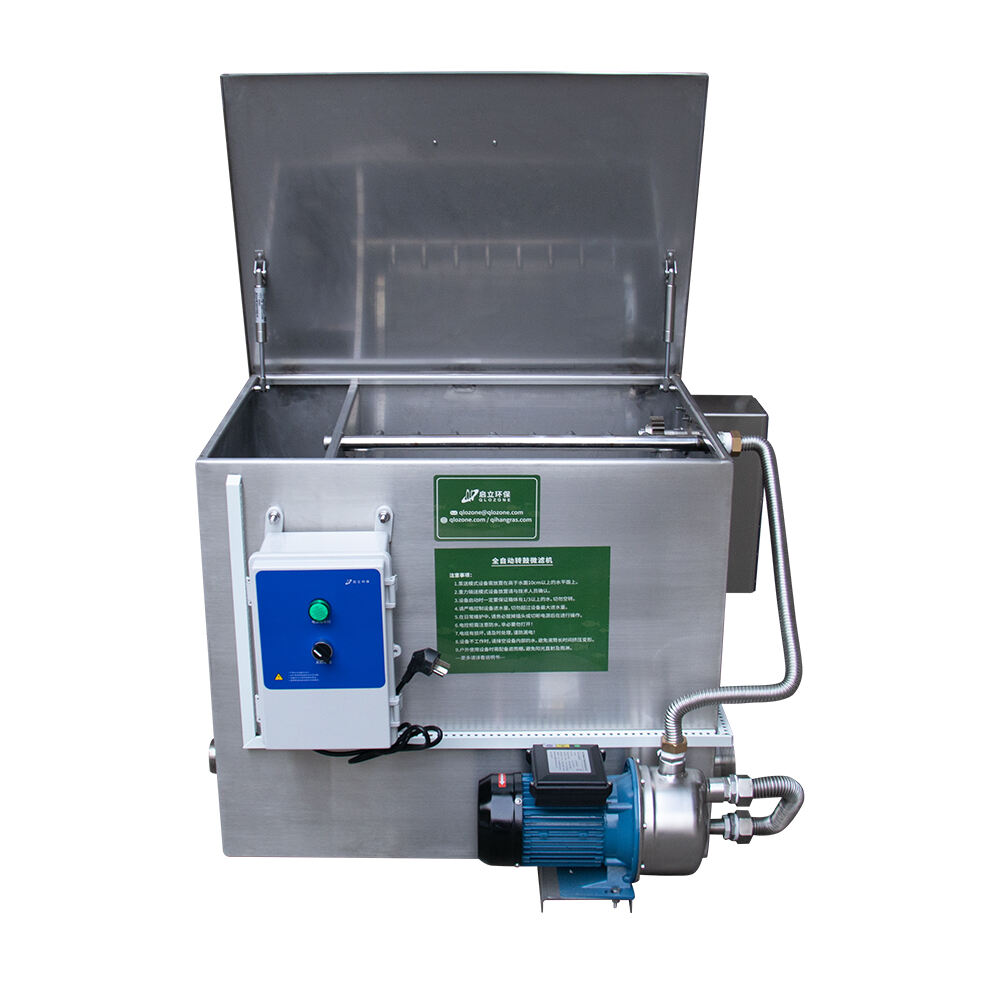
Operational Safety Procedures
Startup and Shutdown Protocols
Systematic startup procedures minimize risks associated with bringing rotary drum filter systems online. Operators should follow established checklists that verify all safety systems are functional before introducing feed material to the system. Initial rotation speeds should be gradually increased while monitoring vibration levels and bearing temperatures to identify potential mechanical issues before they escalate.
Shutdown procedures require equal attention to safety considerations, particularly when dealing with hazardous materials that may remain in the system. Proper purging sequences remove residual chemicals and prevent dangerous reactions during maintenance periods. The rotary drum filter should be thoroughly cleaned and decontaminated according to established protocols before personnel access for maintenance activities.
Monitoring and Control Parameters
Continuous monitoring of critical operational parameters helps prevent dangerous conditions from developing during filtration operations. Temperature monitoring becomes particularly important when processing heat-sensitive materials or when friction could generate excessive temperatures in bearings or drive components. Pressure monitoring systems alert operators to potential blockages or membrane failures that could result in system overpressure.
Vibration monitoring provides early warning of mechanical issues such as bearing wear or drum imbalance that could lead to catastrophic failure if left unchecked. Automated alarm systems should be configured to notify operators immediately when parameters exceed predetermined limits, allowing for timely intervention before safety hazards develop.
Chemical Handling and Containment
Material Compatibility Assessment
Before introducing any new chemical into a rotary drum filter system, comprehensive compatibility assessment ensures that materials will not react adversely with system components or create safety hazards. This evaluation includes reviewing material safety data sheets, consulting with chemical suppliers, and potentially conducting small-scale compatibility tests to verify safe operation parameters.
Chemical compatibility extends beyond the immediate filtration process to include cleaning agents and maintenance chemicals that may be used during system servicing. Incompatible chemical combinations can result in dangerous reactions, equipment corrosion, or the formation of toxic vapors that pose risks to operating personnel.
Spill Prevention and Response
Secondary containment systems around rotary drum filter installations prevent chemical spills from spreading to surrounding areas and potentially impacting personnel or environmental resources. Containment systems should be sized appropriately to handle the maximum credible spill scenario, including considerations for pump-out capabilities and emergency response access.
Spill response procedures must be clearly documented and readily accessible to all personnel who might encounter chemical releases during normal operations or emergency situations. Response kits containing appropriate absorbent materials, neutralizing agents, and cleanup tools should be strategically located near filtration equipment for rapid deployment when needed.
Maintenance Safety Considerations
Lockout Tagout Procedures
Comprehensive lockout tagout procedures prevent accidental energization of rotary drum filter systems during maintenance activities. These procedures must address all energy sources including electrical power, hydraulic pressure, pneumatic systems, and stored mechanical energy in rotating components. Multiple locks may be required when several maintenance personnel work simultaneously on the same system.
Energy isolation verification involves testing systems after lockout to confirm that all energy sources have been effectively isolated. This verification process includes attempting to start the system through normal operating procedures to ensure that lockout devices prevent operation. Documentation of lockout tagout activities provides accountability and helps ensure that all safety steps have been completed before maintenance begins.
Confined Space Entry Protocols
Large rotary drum filter systems may require personnel entry into confined spaces for thorough cleaning or major maintenance activities. Confined space entry procedures must address atmospheric testing, ventilation requirements, and emergency rescue protocols specific to the chemical environment within the filtration system.
Atmospheric monitoring becomes particularly critical when filtration processes involve volatile chemicals or when cleaning agents might create hazardous atmospheres within enclosed spaces. Continuous atmospheric monitoring throughout entry operations ensures that conditions remain safe for personnel and provides early warning of developing hazards.
Emergency Response Planning
Incident Classification and Response
Emergency response plans for rotary drum filter operations should categorize potential incidents based on severity and required response actions. Minor incidents such as small leaks or mechanical vibrations may require only operational adjustments, while major incidents involving chemical releases or equipment failure demand immediate shutdown and emergency service notification.
Response team assignments ensure that qualified personnel are available to address various emergency scenarios. Team members should receive regular training on emergency procedures and maintain familiarity with system layouts, shutdown procedures, and chemical hazards specific to their facility's filtration operations.
Communication and Coordination
Clear communication protocols facilitate coordinated response to rotary drum filter emergencies. Communication systems should include both internal notification procedures for facility personnel and external notification requirements for regulatory authorities or emergency services. Backup communication methods ensure continued coordination even when primary systems are compromised.
Documentation requirements for emergency incidents help identify root causes and prevent similar occurrences in the future. Incident reports should capture detailed information about conditions leading to the emergency, response actions taken, and lessons learned that might improve future emergency preparedness.
FAQ
What are the most critical safety checks before starting a rotary drum filter system?
The most critical safety checks include verifying that all safety systems are functional, conducting thorough equipment inspections for wear or damage, ensuring proper installation and condition of filtration media, testing emergency shutdown systems, and confirming that all personnel are wearing appropriate personal protective equipment. Additionally, operators should verify that chemical compatibility has been assessed and that spill containment systems are in place and functional.
How often should safety equipment be inspected on rotary drum filter systems?
Safety equipment should be inspected before each operational shift for basic functionality, with more comprehensive inspections conducted weekly or monthly depending on the specific component and operating conditions. Emergency shutdown systems require testing at least monthly, while personal protective equipment should be inspected before each use and replaced according to manufacturer recommendations or when signs of deterioration are observed.
What emergency procedures should be established for chemical spills during rotary drum filter operations?
Emergency procedures for chemical spills should include immediate containment actions, personnel evacuation from affected areas, notification of emergency response teams, and systematic cleanup procedures using appropriate neutralizing agents and absorbent materials. Procedures should also address atmospheric monitoring requirements, decontamination protocols for personnel and equipment, and documentation requirements for regulatory compliance and incident analysis.
What training requirements are necessary for personnel operating rotary drum filter systems safely?
Personnel should receive comprehensive training covering system operation procedures, chemical hazard recognition, emergency response protocols, proper use of personal protective equipment, and lockout tagout procedures. Training should include both classroom instruction and hands-on practical exercises, with regular refresher training to maintain competency levels and address any changes in procedures or equipment configurations.
Table of Contents
- Pre-Operational Safety Protocols
- Personal Protective Equipment Requirements
- Operational Safety Procedures
- Chemical Handling and Containment
- Maintenance Safety Considerations
- Emergency Response Planning
-
FAQ
- What are the most critical safety checks before starting a rotary drum filter system?
- How often should safety equipment be inspected on rotary drum filter systems?
- What emergency procedures should be established for chemical spills during rotary drum filter operations?
- What training requirements are necessary for personnel operating rotary drum filter systems safely?