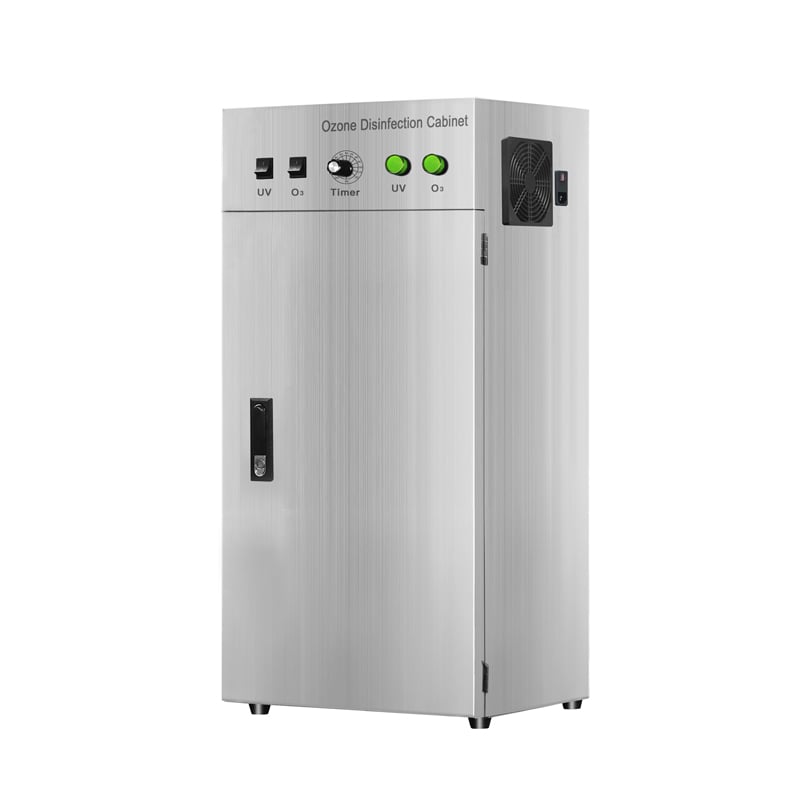
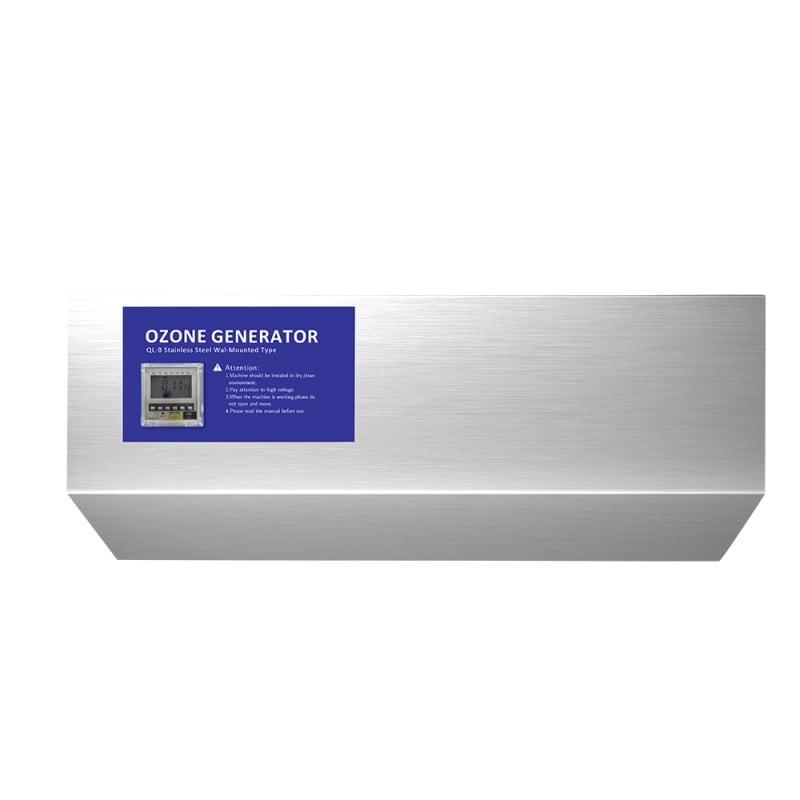
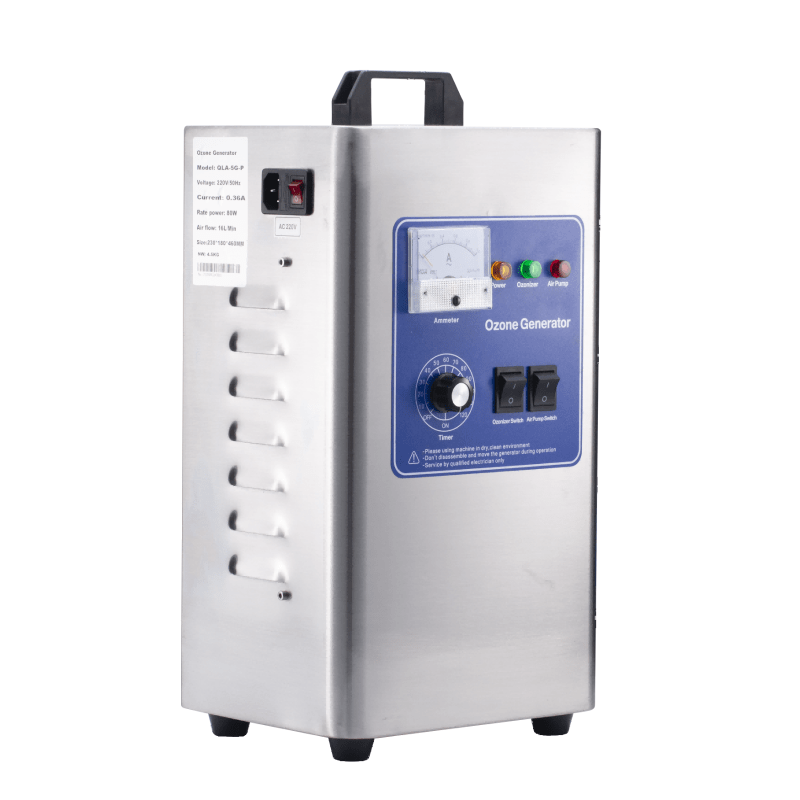
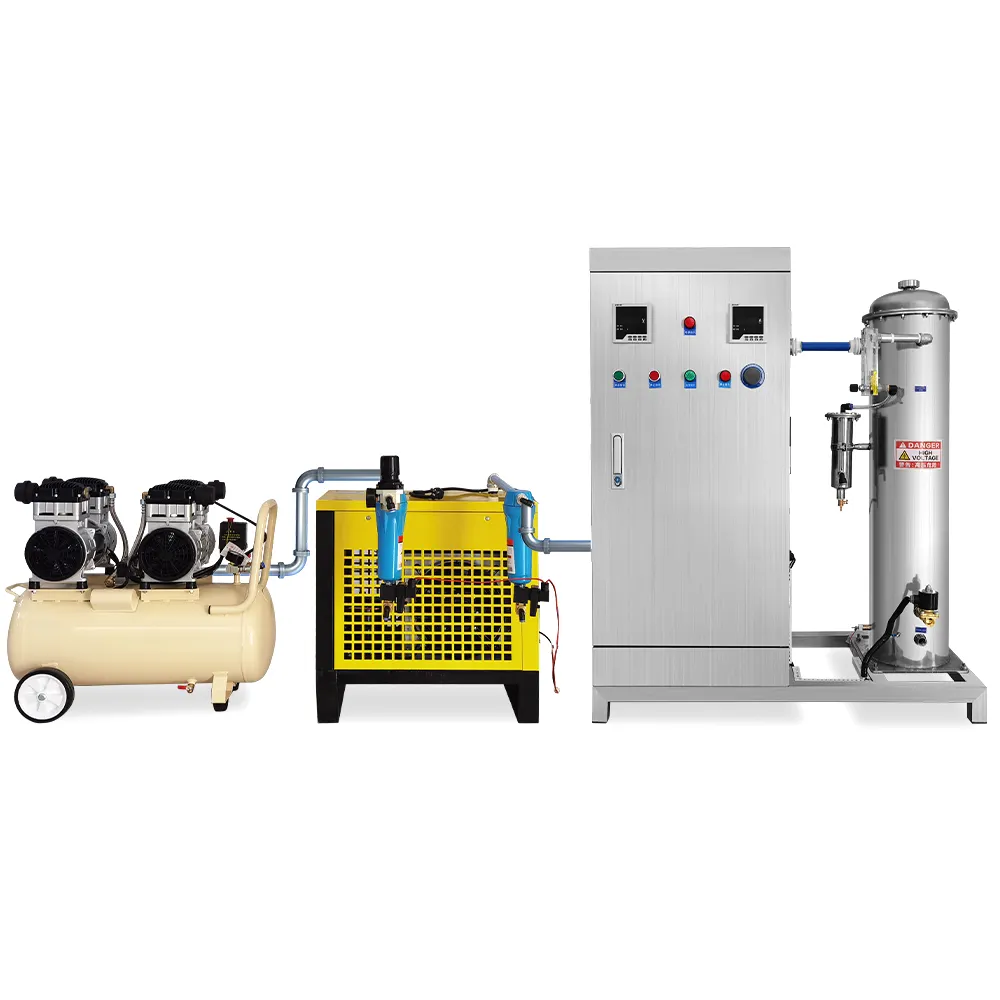
From indoor air quality to safe drinking water and industrial process water, reliable purification has become a critical priority for homeowners, facility managers, and industrial operators worldwide. Traditional purification methods often rely on ha...
From indoor air quality to safe drinking water and industrial process water, reliable purification has become a critical priority for homeowners, facility managers, and industrial operators worldwide. Traditional purification methods often rely on harsh chemicals, only mask odors instead of eliminating them, or fail to neutralize resilient pathogens. As an advanced oxidation technology, ozone generators have emerged as a powerful, eco-friendly solution for both air and water treatment. This guide breaks down how ozone systems work, their core benefits, and why they outperform many conventional purification options.
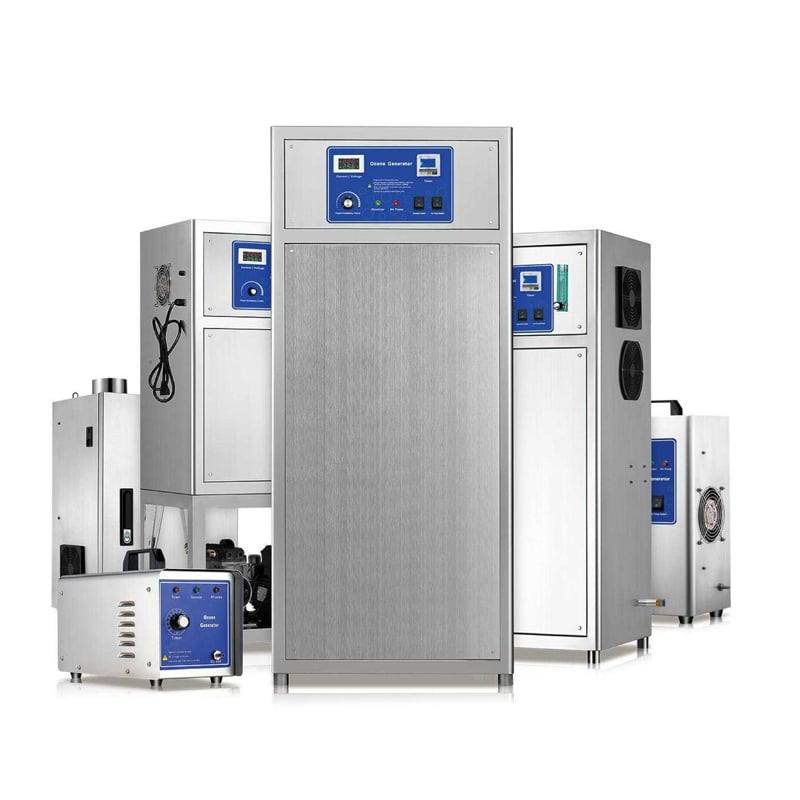
An ozone generator is a professional device that produces ozone (O₃)—a highly reactive, naturally occurring form of oxygen—typically through corona discharge, ultraviolet light, or cold plasma technology.
Ozone’s exceptional oxidizing power is the foundation of its purification ability. When ozone molecules contact contaminants, they break down the molecular structure of pollutants through oxidation
reactions. Unlike chemical disinfectants, ozone leaves no persistent harmful residue: after reacting with impurities, it naturally decomposes back into pure oxygen (O₂) within a short period. This clean, self-limiting property makes it ideal for both air and water purification scenarios.
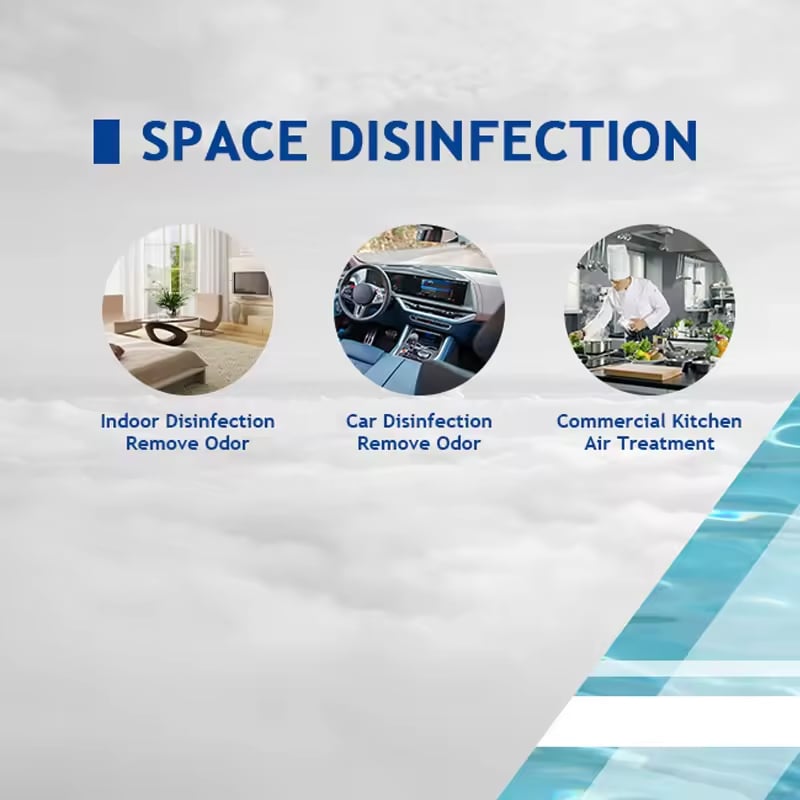
Indoor air can be 2–5 times more polluted than outdoor air, carrying bacteria, viruses, mold spores, volatile organic compounds (VOCs), and persistent odors. Ozone generators address these issues at their source, rather than just trapping particles or covering up unpleasant smells.
Ozone inactivates a broad spectrum of airborne pathogens, including bacteria, influenza viruses, mold, and mildew spores. It damages the cell walls and protein structures of microorganisms, rendering them unable to reproduce or cause health risks. This makes ozone particularly valuable for mold-prone spaces, healthcare facilities, and food processing plants where cross-contamination is a concern.
Unlike air fresheners or fragrance-based products that mask odors, ozone breaks down the odor-causing molecules themselves. It effectively neutralizes tough smells from tobacco smoke, pet dander, cooking fumes, sewage, and industrial emissions. For commercial spaces such as hotels, gyms, and animal facilities, ozone treatment delivers long-lasting odor control without artificial scents or chemical residues.
A regional hotel chain in Southeast Asia installed scheduled ozone generators in high-traffic areas including gyms, laundry rooms, and designated smoking floors. Operating only during unoccupied overnight hours, the systems eliminated persistent musty and smoke odors at the molecular level. After three months of consistent use, guest complaints related to indoor air quality fell by 87%, and third-party environmental testing recorded a 92% reduction in airborne mold spores compared to the facility’s previous chemical air freshening program.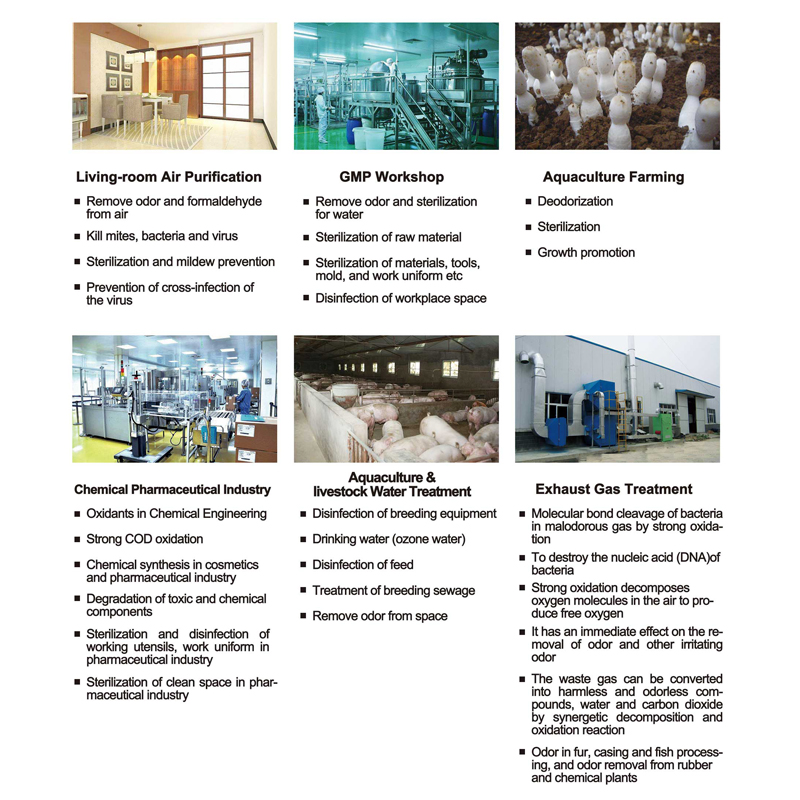
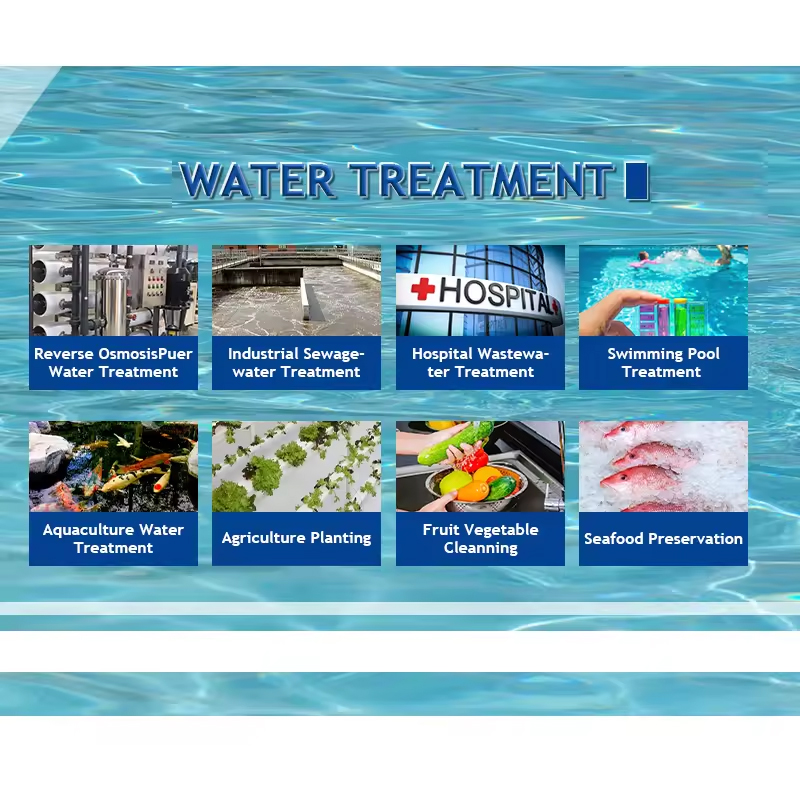
Ozone has been used in municipal water treatment for more than a century, and modern ozone generators bring this proven technology to commercial, industrial, and residential water systems. It addresses microbial, chemical, and organic contaminants in a single efficient treatment step.
Ozone is one of the most powerful commercially available water disinfectants. It kills bacteria (such as E. coli and Legionella), viruses, protozoa, and parasites—including chlorine-resistant pathogens like Giardia and Cryptosporidium. Its fast reaction speed means disinfection is completed in minutes, compared to hours for some chemical alternatives.
Beyond disinfection, ozone oxidizes and breaks down a wide range of water impurities: pesticides, herbicides, industrial solvents, dissolved iron and manganese, and natural organic matter. By oxidizing organic compounds, it also reduces the formation of harmful disinfection byproducts (DBPs) such as trihalomethanes (THMs), a common drawback of chlorine-based water treatment.
Water treatment with ozone eliminates the need to store, handle, and transport hazardous chemicals like chlorine. Treated water has no chemical aftertaste or odor, and there are no ongoing chemical supply costs. For recirculating aquaculture systems (RAS), properly dosed ozone improves water quality without harming aquatic life or disrupting beneficial biological filtration.
A municipal water treatment plant in Northern Europe replaced its primary pre-chlorination stage with a high-capacity ozone generation system. The retrofit cut total trihalomethane (THM) levels by 78% while maintaining full compliance with strict EU drinking water microbiological standards. The plant also reduced annual chemical handling and procurement costs by 34% by eliminating bulk chlorine deliveries and on-site storage requirements.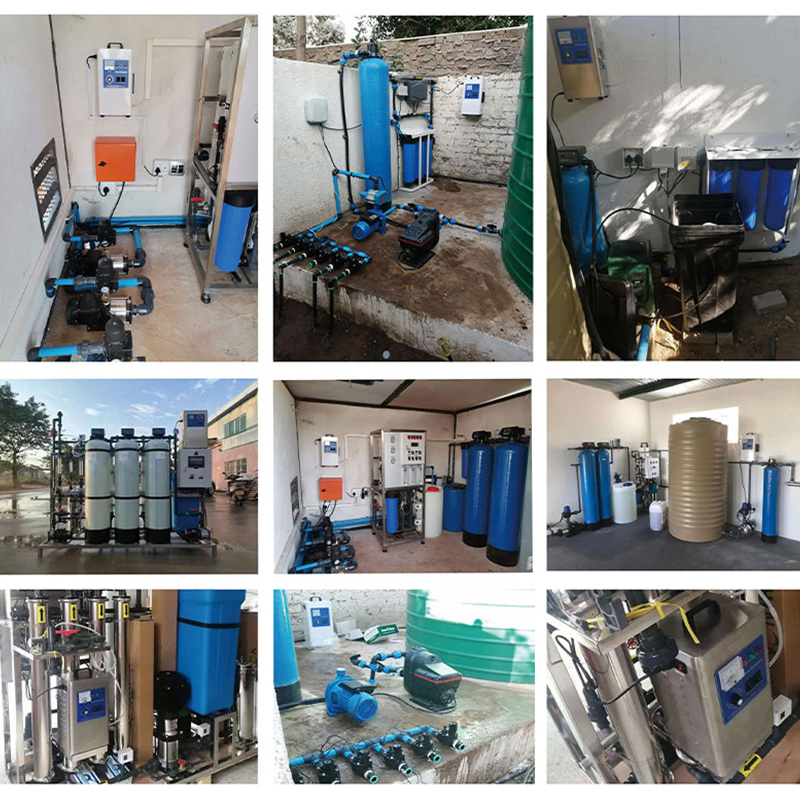
A commercial Atlantic salmon recirculating aquaculture facility in Norway integrated precision-dosed ozone generators into its closed water recirculation loop. The technology controlled harmful bacterial and fungal pathogens without disrupting the system’s beneficial biological filtration, reducing recurring disease outbreaks by 90%. It also boosted water reuse efficiency from 85% to 96%, cutting freshwater intake by 73% per ton of harvested fish.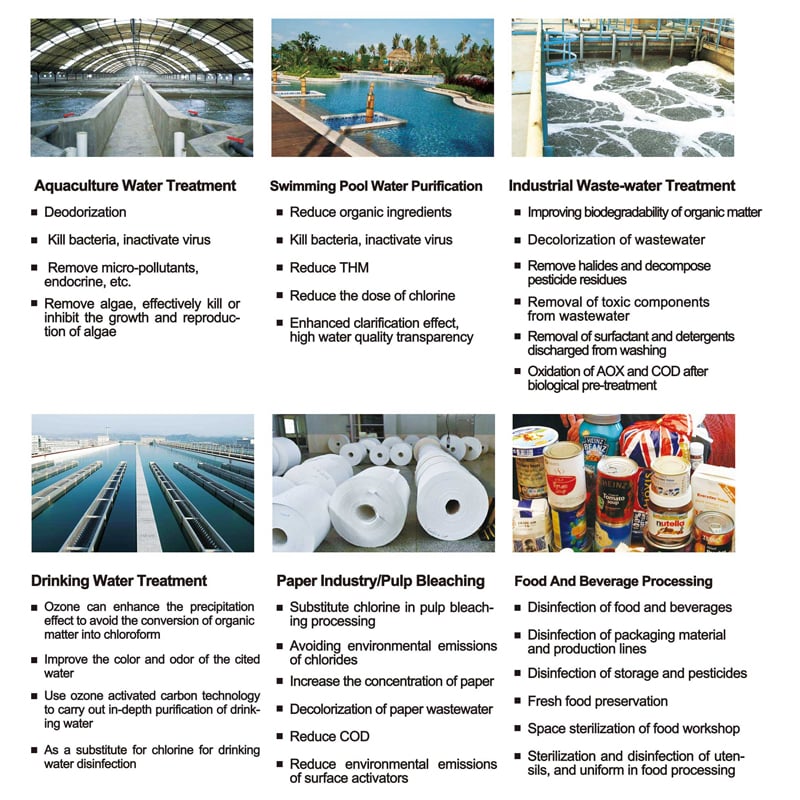
Yes, when operated at proper concentrations and contact times in line with EPA and WHO guidelines, ozone is a safe, widely approved drinking water treatment method. It leaves no chemical residue, and any excess ozone quickly breaks down to oxygen.
For most indoor spaces, run the generator in an unoccupied area for 30 to 60 minutes, then allow 30 minutes for residual ozone to dissipate before re-entry. Exact timing depends on room size, contamination level, and generator output capacity.
Ozone excels at disinfection and oxidation, but it works best when paired with pre-filtration to remove sediment and large particles. Combining mechanical filtration with ozone treatment delivers the most complete water purification results.
No. The faint, sharp odor of ozone dissipates within 30 to 60 minutes as it converts back to oxygen. Treated air and water will not retain a chemical or ozone smell once the treatment cycle is complete.
Ozone generators represent a major advancement in both air and water purification, delivering powerful, chemical-free treatment that addresses contaminants at the molecular level. Whether you need to improve indoor air quality, ensure safe drinking water, optimize aquaculture water conditions, or upgrade industrial process water, ozone technology provides a reliable, eco-friendly solution.
If you’re looking for high-performance ozone generators tailored to residential, commercial, or industrial applications, explore our full range of corona discharge ozone systems designed for consistent, long-lasting purification results.
 EN
EN