EN
EN

- Feature
- Specification
- Video
- Product application
- FAQ
- Why Choose Us
- Related Products
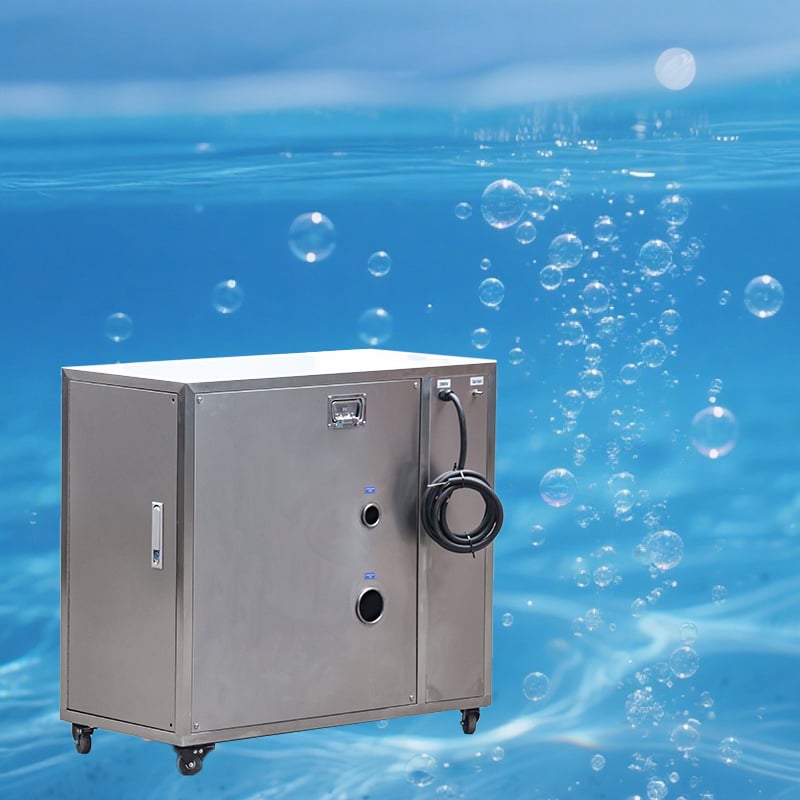
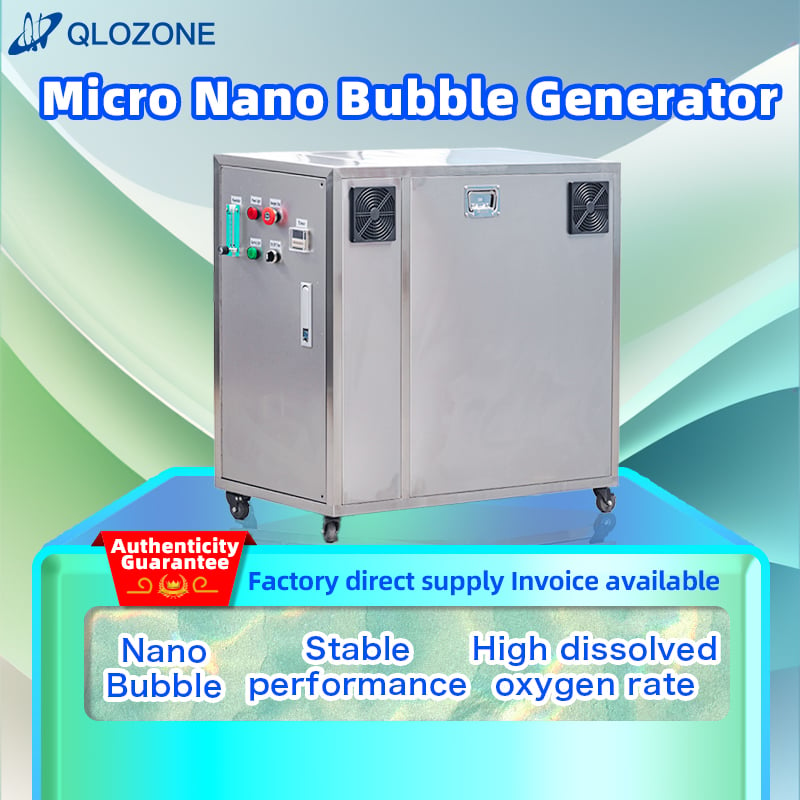
Features:
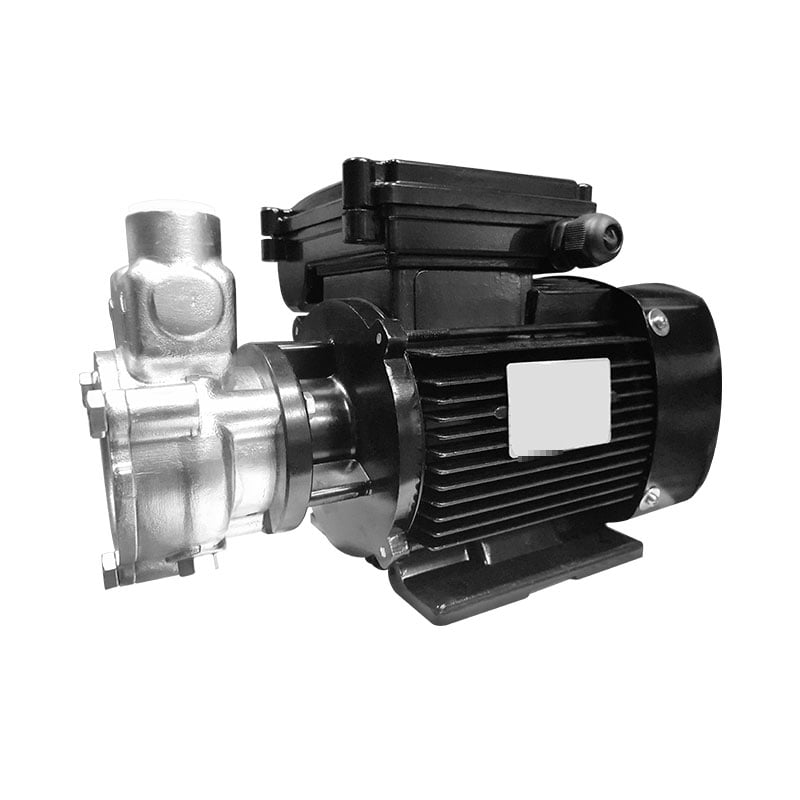
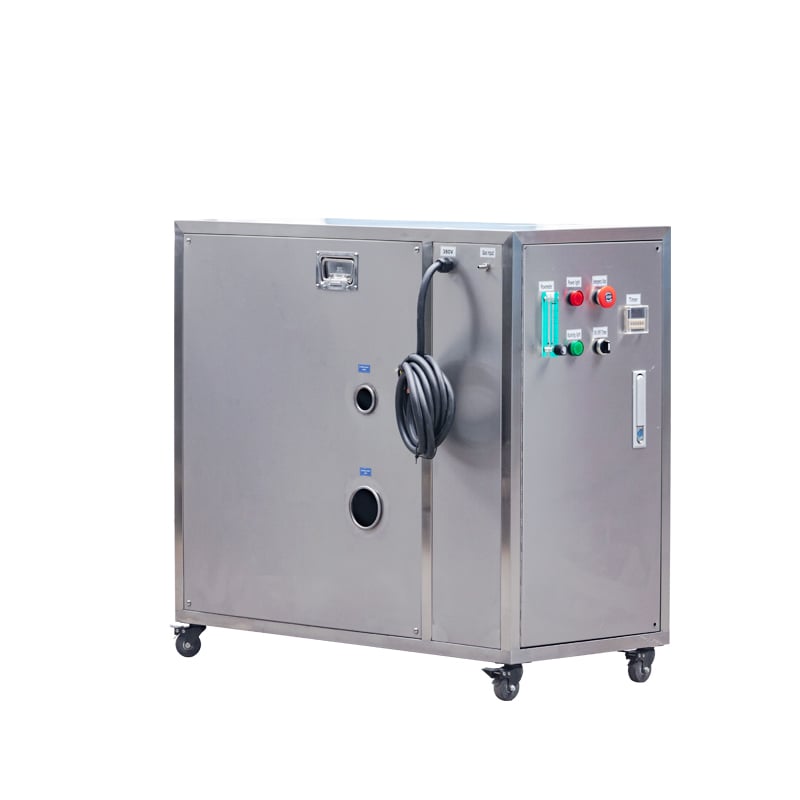
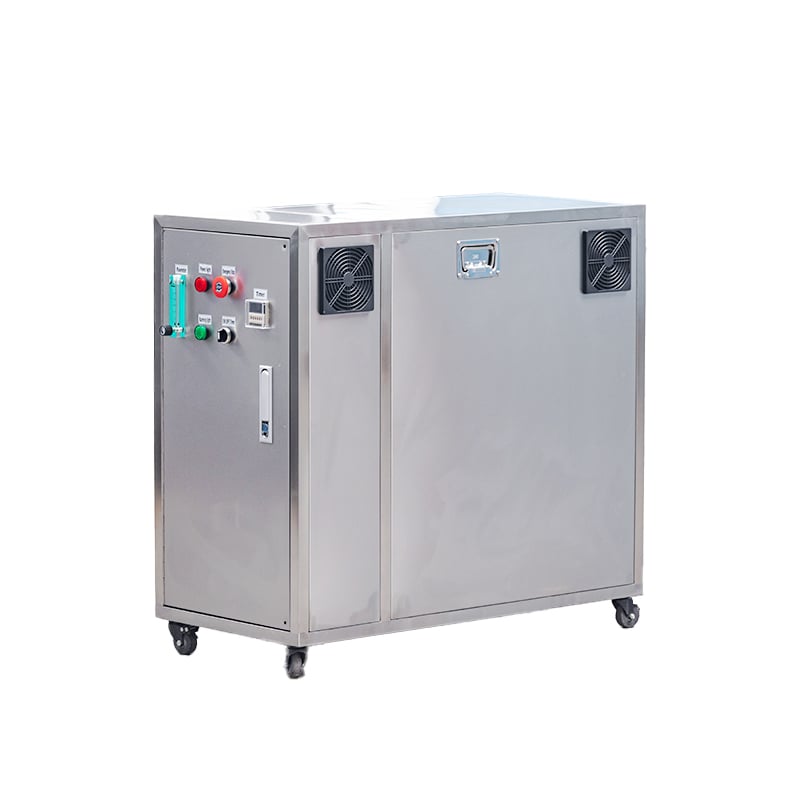
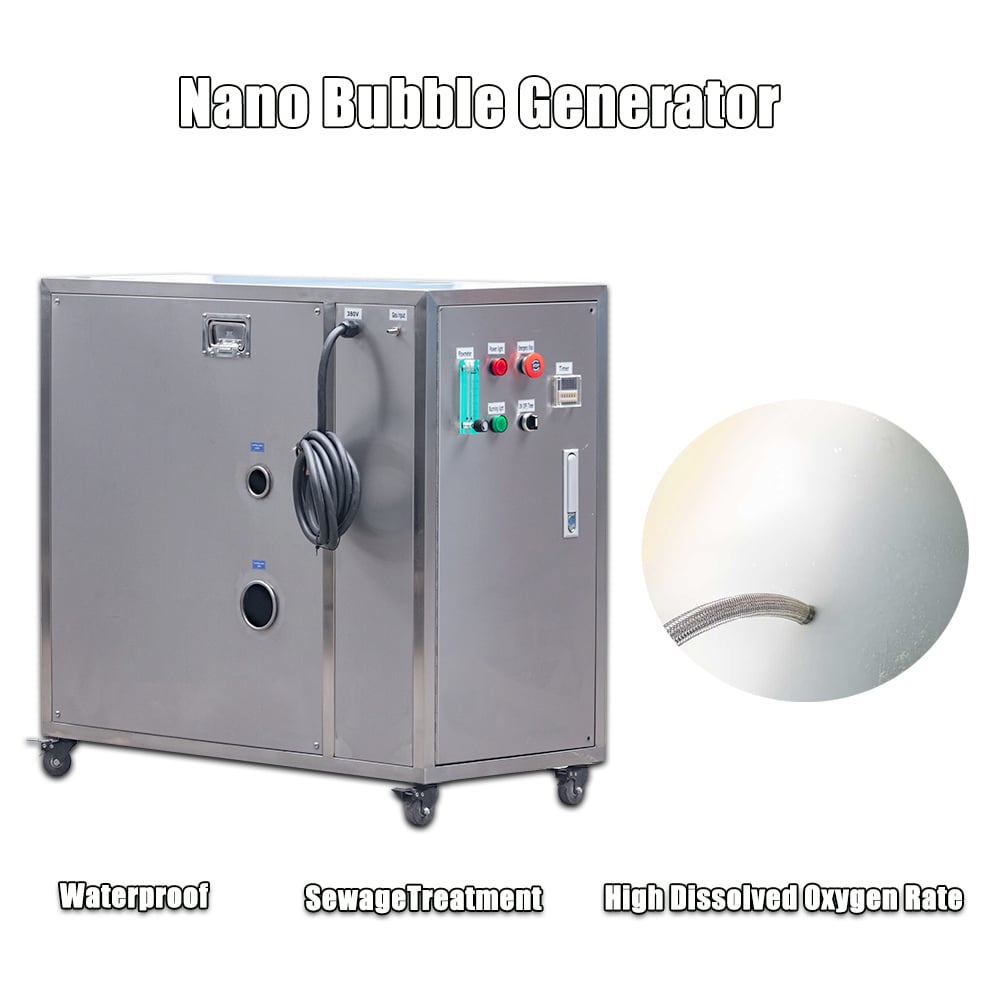
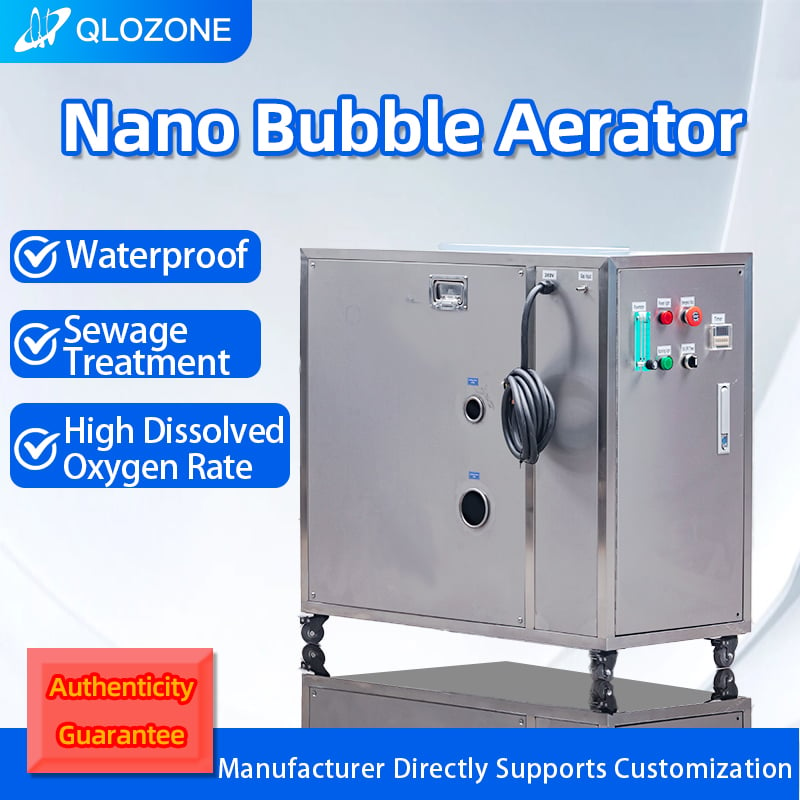
Built-in nano mixing tank-
304 stainless steel material ruggedand durable, stable performancesupport customised;
Southern QY gasliquid mixing pump-
High-quality all-copper motor, metalpump head corrosion-resistantwear-resistant, long service life;
Stainless steel-
sturdy and reliable, durable waterproof and moisture-proof long service life;
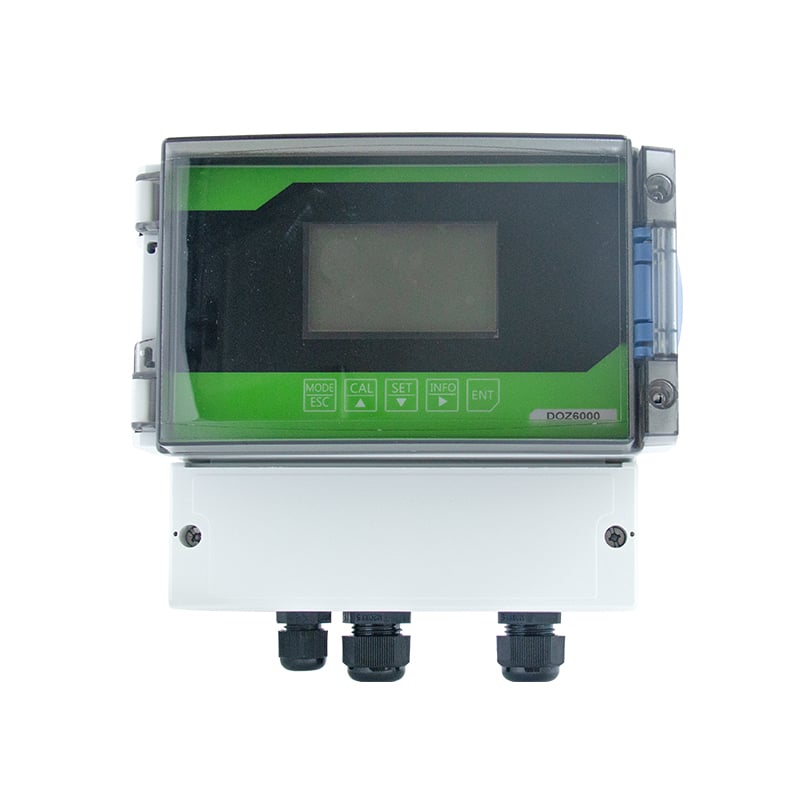
Control panel-
A clear control panel can adjust the flow rate, can be set at regular intervals.
1.Video for Micro Nano Bubble Generator Introduction
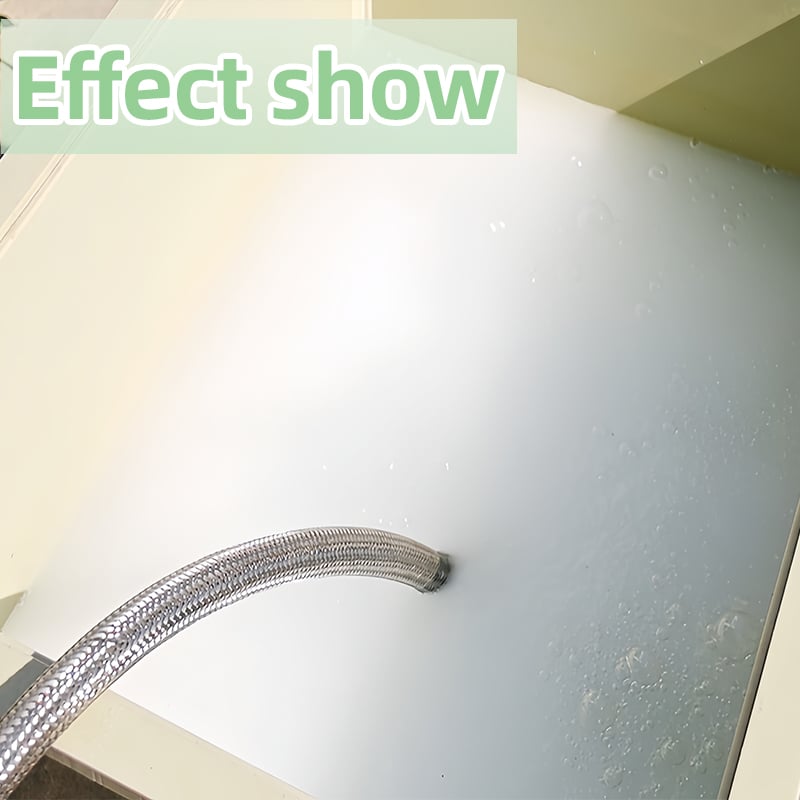
In aquaculture, these micro-nano bubbles can penetrate deep into the bottom layer of the water body. There’s no need to worry about "bottom-layer oxygen deficiency" anymore, and the survival rate of fish and shrimp increases significantly.
During sewage purification, the bubbles come into "close contact" with pollutants, enabling more thorough oxidative decomposition. This speeds up the treatment process while saving a significant amount of cost!
It even helps with agricultural irrigation — micro-nano bubbles carrying nutrients can be directly absorbed by crop roots, upgrading both yield and taste!
Ozone Generator for Water Treatment – FAQ
❓1.What is an ozone generator for water treatment?
✔An ozone generator is a device that produces ozone (O₃), a powerful oxidizing agent, to disinfect and purify water by eliminating bacteria, viruses, algae, and organic contaminants.
❓2.How does ozone water treatment work?
✔Ozone is generated by passing oxygen (O₂) through a high-voltage electrical discharge (corona discharge) or ultraviolet light. The ozone is then dissolved into water, where it oxidizes and destroys microorganisms and organic pollutants.
❓3.What are the benefits of using ozone for water treatment?
✔Strong disinfection: More effective than chlorine against pathogens.
✔No harmful byproducts: Unlike chlorine, ozone does not produce trihalomethanes (THMs).
✔Removes odors & tastes: Eliminates unpleasant smells and flavors.
✔Oxidizes metals: Removes iron, manganese, and sulfur.
✔Environmentally friendly: Decomposes into oxygen, leaving no residue.
❓4.What types of water can ozone treat?
✔ Drinking water
✔Wastewater
✔Swimming pools & spas
✔ Industrial process water
✔Bottled water
✔Aquaculture & hydroponics
❓5.Is ozone treatment safe?
✔Yes, when used correctly. Ozone is highly effective but must be controlled to avoid overexposure, which can be harmful to humans if inhaled. Proper ventilation and monitoring are essential.
❓6.How long does ozone last in water?
✔ Ozone has a short half-life (about 20-30 minutes in water) and decomposes back into oxygen. This means it must be generated on-site and used immediately.
❓7.Does ozone leave any residual in water?
✔ No, ozone does not leave a long-lasting residual, which is why some systems combine it with small amounts of chlorine for prolonged protection.
❓8.What maintenance does an ozone generator require?
✔ Regular cleaning of the ozone contact chamber
✔ Checking and replacing air/oxygen filters
✔ Inspecting electrodes (in corona discharge systems)
✔ Monitoring ozone output levels
❓9.Can ozone remove all contaminants from water?
✔ Ozone is highly effective against microorganisms and many organic compounds but may not remove dissolved salts, heavy metals, or certain chemicals. Additional filtration (e.g., activated carbon, reverse osmosis) may be needed.
❓10.How is ozone concentration measured in water?
✔ Ozone levels are measured using:
- ORP (Oxidation-Reduction Potential) meters
- Ozone residual analyzer
- DPD (diethyl-p-phenylenediamine) test kits
❓11.What are the limitations of ozone water treatment?
✔ Higher upfront cost than chlorine
✔ Requires electricity and proper system design
✔ Short-lived, so no residual disinfection
✔ Can corrode certain materials (e.g., rubber, some plastics)
❓12.Can ozone be used with other water treatment methods?
✔ Yes, ozone is often combined with:
- UV disinfection
- Activated carbon filtration
- **Reverse osmosis (RO)
- Chlorination (for residual disinfection)
❓13.How do I choose the right ozone generator for my needs?
✔ Consider:
- Water flow rate (gallons/liters per minute)
- Contaminant level
- Ozone output (grams/hour)
- Installation requirements
For more details, consult QLOZONE- expert or ozone system manufacturer.