 EN
EN
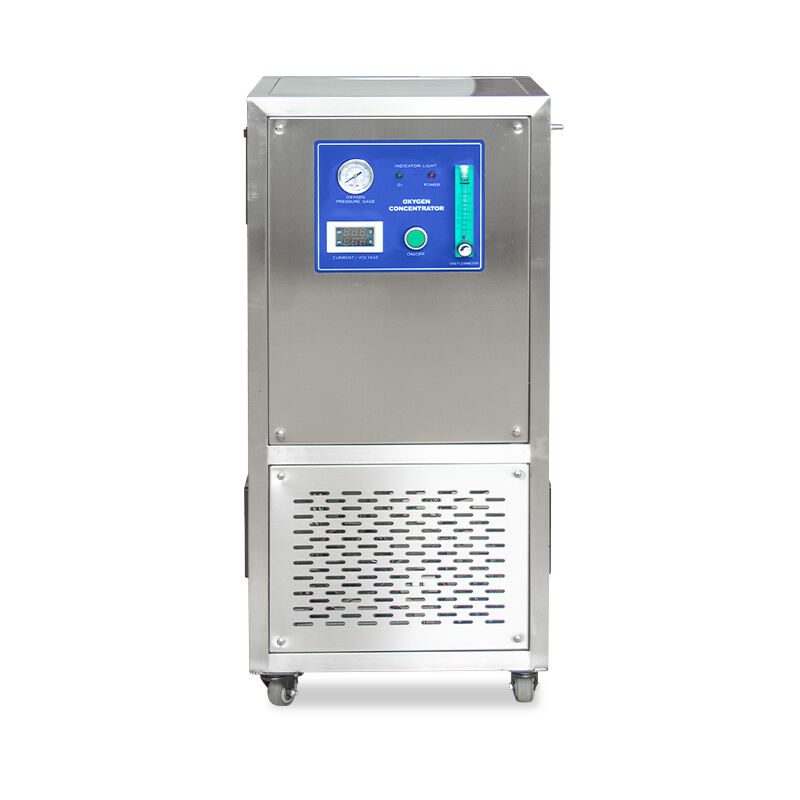
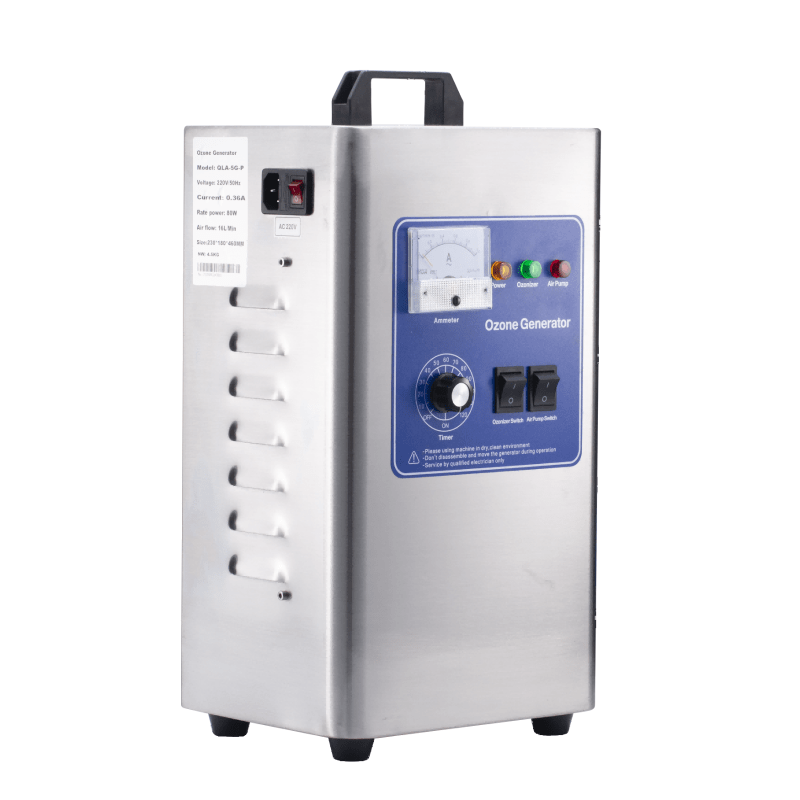
Industrial facilities across the globe are increasingly turning to advanced oxidation technologies to address critical challenges in water treatment, air purification, and contamination control. Among these technologies, ozone generators have emerged as powerful solutions that harness the natural oxidizing properties of ozone gas to eliminate pollutants, pathogens, and unwanted compounds across diverse industrial applications. These sophisticated systems convert oxygen into ozone through electrical discharge or ultraviolet light processes, creating a highly reactive molecule that effectively breaks down organic and inorganic contaminants without leaving harmful residues.
The versatility of ozone technology stems from its ability to oxidize a wide range of substances while decomposing naturally back into oxygen, making it an environmentally sustainable choice for industrial processes. Unlike traditional chemical treatments that may introduce secondary pollutants or require extensive handling precautions, ozone generators produce their active agent on-site and on-demand, eliminating storage concerns and reducing operational costs. This inherent safety profile, combined with exceptional efficacy against bacteria, viruses, fungi, and chemical contaminants, has positioned ozone technology as an indispensable tool in modern industrial operations.
Water Treatment and Purification Applications
Municipal Water Treatment Facilities
Municipal water treatment plants utilize ozone generators as primary disinfection systems to eliminate pathogenic microorganisms while simultaneously addressing taste and odor issues that plague conventional treatment methods. These facilities benefit from ozone's rapid action against resistant pathogens like Cryptosporidium and Giardia, which show significant resistance to chlorine-based treatments. The oxidation process effectively breaks down organic compounds responsible for unpleasant tastes and odors, resulting in higher quality finished water that meets stringent regulatory standards.
Advanced municipal systems integrate ozone treatment at multiple stages of the purification process, including pre-oxidation to enhance coagulation efficiency and post-filtration disinfection to ensure microbiological safety. The technology's ability to reduce disinfection byproduct formation compared to chlorination makes it particularly valuable in facilities serving large populations where regulatory compliance and public health protection are paramount concerns. Modern installations often incorporate automated monitoring systems that adjust ozone production rates based on real-time water quality parameters, optimizing treatment efficiency while minimizing operational costs.
Industrial Wastewater Treatment
Industrial wastewater treatment applications represent one of the most demanding environments for ozone technology, where complex chemical mixtures and high contaminant loads require robust oxidation capabilities. Manufacturing facilities in sectors such as pharmaceuticals, textiles, and chemicals generate wastewater streams containing recalcitrant organic compounds that resist conventional biological treatment processes. Ozone generators provide the oxidative power necessary to break down these persistent pollutants, converting them into more biodegradable intermediates that can be processed through downstream biological systems.
The implementation of ozone technology in industrial wastewater treatment often involves sophisticated process design that combines ozone oxidation with other treatment technologies to achieve optimal results. Advanced oxidation processes that utilize ozone in combination with hydrogen peroxide or ultraviolet light can achieve even higher levels of contaminant destruction, enabling facilities to meet increasingly stringent discharge requirements. These integrated systems provide significant operational advantages, including reduced sludge production, lower chemical consumption, and improved treatment reliability compared to conventional treatment approaches.
Food and Beverage Industry Applications
Food Processing and Sanitization
Food processing facilities leverage ozone generators for comprehensive sanitization programs that ensure product safety while maintaining nutritional quality and extending shelf life. The technology's broad-spectrum antimicrobial activity makes it highly effective against foodborne pathogens including Salmonella, E. coli, and Listeria, providing critical food safety protection throughout the production chain. Unlike traditional sanitizers that may leave chemical residues or require extensive rinsing, ozone decomposes naturally into oxygen, eliminating concerns about residual contamination in finished products.
Processing equipment sanitization represents a major application area where ozone generators provide significant operational benefits over conventional cleaning protocols. The gas-phase application of ozone allows for thorough penetration into complex equipment geometries, reaching areas that may be difficult to access with liquid sanitizers. This comprehensive coverage ensures effective pathogen elimination while reducing water consumption and eliminating the need for chemical storage and handling, contributing to improved workplace safety and environmental sustainability.
Beverage Production and Quality Control
Beverage manufacturing operations employ ozone technology for multiple critical functions, including ingredient water treatment, equipment sanitization, and final product quality enhancement. The technology's ability to eliminate chlorine taste and odor compounds while providing effective microbial control makes it particularly valuable in facilities producing premium beverages where taste quality is paramount. Ozone treatment of process water ensures consistent product quality by removing organic compounds that could affect flavor profiles or contribute to product instability.
Bottling and packaging operations benefit significantly from ozone sanitization protocols that eliminate the risk of post-production contamination. The technology's rapid action and complete decomposition allow for efficient sanitization of bottles, caps, and packaging equipment without requiring extensive rinse cycles or extended contact times. This operational efficiency translates to improved production throughput while maintaining the highest standards of product safety and quality that consumers expect from modern beverage manufacturers.
Healthcare and Pharmaceutical Applications
Medical Device Sterilization
Healthcare facilities utilize ozone generators for advanced sterilization applications that require complete elimination of all microbial life, including bacterial spores, viruses, and fungi. The technology's powerful oxidizing action provides sterilization efficacy comparable to traditional methods while offering significant advantages in terms of processing time and material compatibility. Medical devices that cannot withstand high temperatures or harsh chemicals can be effectively sterilized using ozone gas, expanding treatment options for sensitive equipment and instruments.
The development of specialized ozone sterilization chambers has revolutionized medical device processing by providing controlled environments where temperature, humidity, and ozone concentration can be precisely monitored and adjusted. These systems ensure reproducible sterilization results while maintaining detailed documentation required for regulatory compliance in healthcare settings. The absence of toxic residues after ozone treatment eliminates the need for extended aeration periods required with other sterilization methods, enabling faster device turnaround and improved operational efficiency.
Pharmaceutical Manufacturing Clean Rooms
Pharmaceutical manufacturing facilities employ ozone generators to maintain ultra-clean environments required for drug production, particularly in aseptic processing areas where product contamination could have serious health consequences. The technology's ability to eliminate airborne microorganisms while simultaneously neutralizing organic vapors makes it ideal for maintaining the controlled environments essential to pharmaceutical manufacturing. Ozone treatment systems can be integrated with existing HVAC infrastructure to provide continuous air purification without disrupting production operations.
Validation of ozone treatment systems in pharmaceutical applications requires extensive documentation and testing to demonstrate consistent performance under varying operational conditions. Regulatory agencies recognize ozone technology as an effective sterilization method when properly implemented and monitored, providing pharmaceutical manufacturers with a viable alternative to traditional chemical fumigation methods. The elimination of chemical residues and the natural decomposition of ozone into oxygen align with pharmaceutical industry goals of minimizing environmental impact while maintaining the highest product quality standards.
Air Purification and Odor Control
Industrial Odor Management
Industrial facilities facing odor control challenges utilize ozone generators to eliminate malodorous compounds at their source, providing effective solutions for operations that generate volatile organic compounds or other odor-causing substances. Manufacturing processes in industries such as rendering, waste processing, and chemical production often create complex odor mixtures that resist conventional treatment methods. Ozone technology provides the oxidative power necessary to break down these compounds at the molecular level, eliminating odors rather than simply masking them.
The implementation of ozone-based odor control systems requires careful engineering to ensure optimal contact between ozone and target compounds while maintaining safe operating conditions. Advanced systems incorporate automated monitoring and control technologies that adjust ozone production rates based on odor intensity and environmental conditions, optimizing treatment efficiency while minimizing operating costs. These installations often serve dual purposes by simultaneously providing air disinfection benefits, creating healthier work environments while addressing community concerns about industrial odors.
HVAC System Integration
Building HVAC systems increasingly incorporate ozone generators to provide enhanced indoor air quality through continuous air treatment that eliminates airborne pathogens, allergens, and chemical contaminants. The technology's integration with existing air handling systems allows for comprehensive air treatment without requiring extensive infrastructure modifications. Properly designed ozone treatment systems can significantly reduce the transmission of airborne diseases while eliminating odors and improving overall indoor air quality.
Modern HVAC-integrated ozone systems feature sophisticated control algorithms that monitor air quality parameters and adjust ozone production to maintain optimal treatment levels while ensuring occupant safety. These systems must comply with strict occupational exposure limits while providing effective air treatment, requiring careful design and monitoring to achieve the proper balance. The result is improved indoor air quality that contributes to occupant health and comfort while reducing the spread of airborne contaminants in commercial and industrial facilities.
Specialized Industrial Processing Applications
Textile and Pulp Industry
Textile manufacturing operations employ ozone generators for bleaching processes that provide superior whitening results while eliminating the environmental concerns associated with chlorine-based bleaching systems. The technology's selective oxidation properties allow for effective removal of natural colorants and other organic compounds while preserving fiber integrity and strength. Ozone bleaching processes typically require shorter processing times and lower temperatures compared to conventional methods, resulting in energy savings and improved production efficiency.
Pulp and paper mills utilize ozone technology for bleaching sequences that produce high-brightness products while significantly reducing environmental impact compared to chlorine-based processes. The elimination of chlorinated organic compounds from bleaching effluents addresses major environmental concerns while producing paper products that meet or exceed quality standards. Advanced mill operations integrate ozone bleaching with other environmentally sustainable practices to create comprehensive approaches to sustainable manufacturing that reduce both environmental impact and operational costs.
Chemical and Petrochemical Processing
Chemical processing facilities incorporate ozone generators into specialized applications including catalyst regeneration, process stream purification, and waste treatment operations. The technology's strong oxidizing properties make it valuable for removing catalyst poisons and regenerating spent catalysts, extending their useful life and reducing replacement costs. Process stream applications utilize ozone's selective oxidation properties to remove impurities that could affect product quality or downstream processing operations.
Petrochemical operations benefit from ozone technology in applications ranging from cooling water treatment to specialized product purification processes. The technology's ability to eliminate biofilm formation in cooling systems while providing effective microbial control reduces maintenance requirements and improves heat transfer efficiency. Specialized applications in petrochemical processing often require custom-engineered ozone systems designed to operate safely in potentially hazardous environments while providing reliable performance under demanding operational conditions.
FAQ
How do ozone generators compare to traditional chemical treatments in industrial applications
Ozone generators offer significant advantages over traditional chemical treatments including elimination of chemical storage and handling requirements, no residual byproducts, and superior efficacy against resistant pathogens. While initial equipment costs may be higher, operational savings from reduced chemical purchases, elimination of neutralization requirements, and lower maintenance needs often result in favorable long-term economics. The environmental benefits of ozone treatment, including elimination of chemical discharge and reduced secondary waste generation, align with increasing regulatory pressure for sustainable industrial practices.
What safety considerations are important when implementing ozone technology in industrial settings
Industrial ozone systems require comprehensive safety protocols including proper ventilation, ambient ozone monitoring, and personnel training to ensure safe operation. Ozone exposure limits established by occupational safety agencies must be strictly observed, with automated monitoring systems providing continuous surveillance and emergency shutdown capabilities. Proper system design includes fail-safe mechanisms, redundant monitoring, and clear operating procedures that protect personnel while ensuring effective treatment performance.
How can facilities determine the optimal ozone generator capacity for their specific applications
Determining optimal ozone generator capacity requires careful analysis of treatment objectives, contaminant loads, contact time requirements, and operational parameters specific to each application. Professional consultation with ozone technology specialists can provide detailed system sizing calculations based on bench-scale testing and pilot studies. Factors including water quality, air flow rates, temperature, pH, and competing chemical demands must be considered to ensure adequate ozone production capacity while avoiding over-sizing that increases operational costs.
What maintenance requirements are associated with industrial ozone generator systems
Industrial ozone generators require regular maintenance including electrode cleaning or replacement, power supply inspection, cooling system maintenance, and monitoring equipment calibration. Preventive maintenance schedules typically include daily operational checks, weekly system inspections, and periodic major maintenance activities. Proper maintenance programs ensure reliable system performance, extend equipment life, and maintain treatment efficacy while minimizing unexpected downtime that could disrupt industrial operations.
Table of Contents
- Water Treatment and Purification Applications
- Food and Beverage Industry Applications
- Healthcare and Pharmaceutical Applications
- Air Purification and Odor Control
- Specialized Industrial Processing Applications
-
FAQ
- How do ozone generators compare to traditional chemical treatments in industrial applications
- What safety considerations are important when implementing ozone technology in industrial settings
- How can facilities determine the optimal ozone generator capacity for their specific applications
- What maintenance requirements are associated with industrial ozone generator systems